

Follow us Now on Telegram ! Get daily 10 - 12 Interesting Updates. Join our Telegram Channel https://t.me/OhWomen
Download Telegram App before Joining the Channel
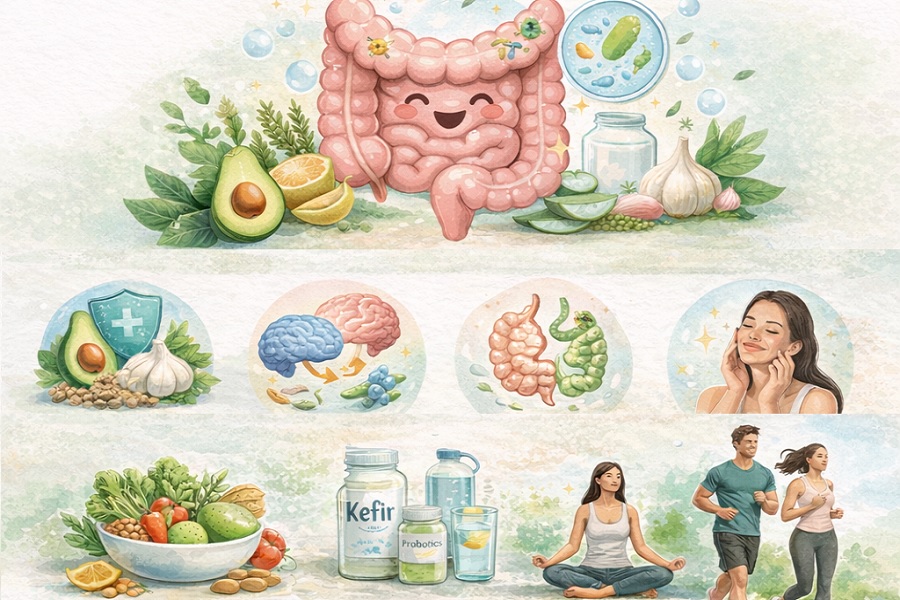
Our gut is often called the “second brain” — and for good reason. Inside your digestive system lives a bustling community of trillions of microorganisms, collectively known as the gut microbiome. These tiny bacteria, viruses, fungi, and other microbes play an enormous role in your overall health — far beyond just digestion.
In this article, we’ll explore what the gut microbiome is, why it’s so important, how it affects your well-being, and simple ways to keep it healthy.
What is the Gut Microbiome?
The gut microbiome refers to the diverse population of microorganisms living primarily in your intestines. These microbes help break down food, produce essential nutrients, support your immune system, and protect against harmful bacteria.
A balanced microbiome means you have a variety of good bacteria working together to keep your digestive tract healthy and your body functioning optimally.
How Does Gut Health Affect Your Body?
Immune System Support
About 70% of your immune system resides in your gut. A healthy microbiome helps your body recognize and fight off infections while preventing inflammation and autoimmune responses.
Mental Health and Mood
The gut produces many neurotransmitters, including serotonin — often called the “feel-good” hormone. An unhealthy gut can contribute to anxiety, depression, and mood swings through the gut-brain axis, a communication network linking your gut and brain.
Digestive Health
Good bacteria aid in digestion, nutrient absorption, and prevent issues like bloating, constipation, and diarrhea.
Skin Health
Your gut health can directly affect your skin’s appearance. Conditions such as acne, eczema, and rosacea often improve when the gut microbiome is balanced.
Signs Your Gut Might Be Out of Balance
Frequent bloating, gas, or abdominal discomfort
Irregular bowel movements (constipation or diarrhea)
Fatigue and low energy
Skin problems like acne or eczema
Brain fog, anxiety, or mood swings
If you experience these symptoms regularly, it may be time to focus on your gut health.
How to Support a Healthy Gut Microbiome
1. Eat a Diverse, Fiber-Rich Diet
Foods high in fiber feed beneficial bacteria. Include fruits, vegetables, whole grains, nuts, and seeds.
2. Include Probiotics and Prebiotics
Probiotics are live beneficial bacteria found in yogurt, kefir, sauerkraut, kimchi, and other fermented foods.
Prebiotics are fibers that feed good bacteria, found in garlic, onions, bananas, asparagus, and leeks.
3. Stay Hydrated
Water helps keep your digestive system running smoothly.
4. Manage Stress
Chronic stress can disrupt your microbiome. Practice relaxation techniques like meditation, yoga, or deep breathing.
5. Get Enough Sleep
Poor sleep negatively affects gut bacteria diversity and overall health.
6. Exercise Regularly
Physical activity promotes a diverse and healthy microbiome.
When to See a Doctor
If gut issues persist or worsen despite lifestyle changes, consult a healthcare professional. They may recommend tests, dietary adjustments, or treatments like supplements or medications.
Source : Oh Women