
Follow us Now on Telegram ! Get daily 10 - 12 Interesting Updates. Join our Telegram Channel https://t.me/OhWomen
Download Telegram App before Joining the Channel
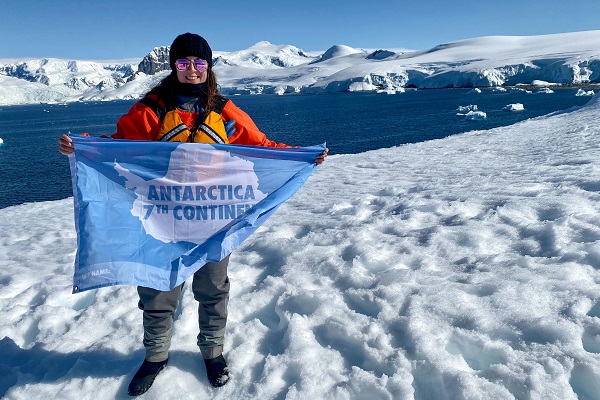
Traveling to Antarctica is unlike any other adventure on Earth. It is the coldest, driest, and most remote continent, offering a rare opportunity to experience untouched wilderness, massive ice formations, and extraordinary wildlife. Antarctic expedition travel is not just a trip, but a once-in-a-lifetime exploration into one of the planet’s last frontiers.
Why Choose an Antarctic Expedition?
Antarctica appeals to travelers seeking uniqueness, isolation, and natural beauty on a grand scale. Unlike typical destinations, there are no cities, no permanent residents, and very limited human presence. Instead, visitors are surrounded by glaciers, icebergs, and vast white landscapes that stretch beyond the horizon.
The main highlights include:
Spectacular icebergs in various shapes and colors
Pristine landscapes untouched by development
Rare wildlife sightings in their natural habitat
A sense of complete isolation and tranquility
Wildlife Encounters
Despite the extreme conditions, Antarctica is home to a surprising variety of wildlife. Expedition travelers often encounter:
Penguins such as Emperor, Adelie, and Gentoo
Seals including Weddell, Leopard, and Crabeater seals
Whales like Humpback and Minke whales
Seabirds such as Albatross and Petrels
These animals are accustomed to human presence but are protected under strict environmental regulations to ensure minimal disturbance.
Best Time to Visit
The Antarctic travel season typically runs from November to March, during the Southern Hemisphere’s summer. Each month offers slightly different experiences:
November to December: Ice formations are fresh, wildlife is nesting, and landscapes are pristine.
January to February: Peak wildlife activity with abundant penguin chicks and whale sightings.
March: Fewer crowds, richer marine life, and stunning sunsets as the season winds down.
Types of Antarctic Expeditions
Travelers can choose from several expedition styles depending on budget and comfort preferences:
Expedition Cruises: The most common option, combining ship travel with guided landings on ice.
Fly-Cruise Expeditions: Fly over the Drake Passage to avoid rough seas, then board a ship.
Luxury Expeditions: Premium ships with enhanced amenities, fine dining, and spacious cabins.
Adventure Activities: Kayaking, camping on ice, polar plunges, and guided hikes.
How to Reach Antarctica
Most journeys begin from South America, especially Ushuaia in Argentina or Punta Arenas in Chile. From there, travelers cross the Drake Passage by ship or take a charter flight depending on the itinerary. The Drake Passage is known for its rough seas, so motion sickness precautions are often recommended.
What to Pack
Packing for Antarctica requires careful preparation due to extreme cold and changing weather conditions:
Insulated, waterproof outerwear
Thermal layers for warmth
Gloves, hats, and scarves
Waterproof boots
Sunglasses with UV protection
Sunscreen and lip balm
Layering is essential, as temperatures can vary depending on activity and location.
Environmental Responsibility
Antarctica is protected by international agreements that regulate tourism to preserve its fragile ecosystem. Visitors must follow strict guidelines, such as:
Maintaining distance from wildlife
Avoiding littering or disturbing natural habitats
Following designated landing zones
Respecting conservation protocols
Responsible travel ensures that future generations can also experience this unique environment.
Final Thoughts
Antarctic expedition travel is a rare and meaningful adventure. It challenges the traveler physically and mentally while offering unmatched natural beauty and solitude. From massive ice formations to close encounters with wildlife, every moment in Antarctica feels extraordinary. For those seeking something beyond conventional travel, this journey delivers an experience that stays with you forever.
Source :- Oh Women