
Follow us Now on Telegram ! Get daily 10 - 12 Interesting Updates. Join our Telegram Channel https://t.me/OhWomen
Download Telegram App before Joining the Channel
Color coordination is one of the most essential skills in fashion styling. The right combination of colors can elevate even the simplest outfit, while poor color choices can make a look feel mismatched or overwhelming. Understanding the basics of color coordination helps you dress with confidence and create visually appealing outfits for any occasion.
Understanding the Color Wheel
The foundation of color coordination begins with the color wheel. It is a circular diagram that organizes colors into three main categories: primary, secondary, and tertiary colors. Primary colors—red, blue, and yellow—are the base of all other colors. Secondary colors are created by mixing primary colors, while tertiary colors are formed by combining primary and secondary shades.
Types of Color Combinations
1. Monochromatic
This involves using different shades, tones, and tints of a single color. It creates a clean, elegant, and cohesive look. For example, pairing light blue with navy and denim gives a sophisticated vibe.
2. Complementary Colors
These are colors opposite each other on the color wheel, such as blue and orange or red and green. This combination creates high contrast and makes outfits stand out.
3. Analogous Colors
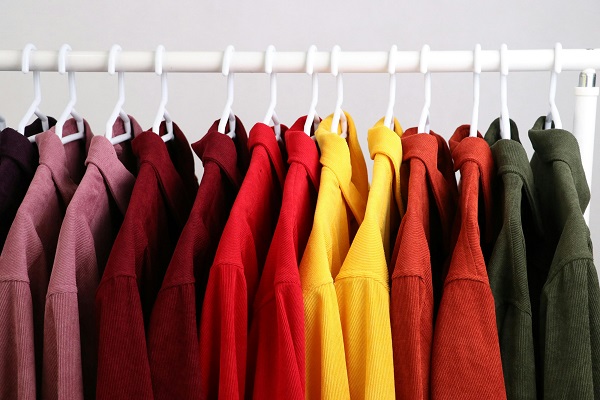
These colors sit next to each other on the color wheel, like yellow, orange, and red. They blend well and create a harmonious and pleasing appearance.
4. Triadic Colors
This combination uses three colors evenly spaced on the wheel, such as red, blue, and yellow. It offers a vibrant yet balanced look.
The Role of Neutrals
Neutral colors like black, white, beige, grey, and navy act as a base in most outfits. They help balance bold colors and make coordination easier. For beginners, pairing a bold color with neutrals is a safe and stylish choice.
Warm vs Cool Colors
Warm colors (reds, oranges, yellows) create energy and brightness, while cool colors (blues, greens, purples) offer calmness and sophistication. Mixing warm and cool tones thoughtfully can create balanced outfits.
Color Coordination Tips
Start with one statement color and build around it
Use the 60-30-10 rule (60% dominant color, 30% secondary, 10% accent)
Avoid using too many bright colors in one outfit
Consider your skin tone when choosing colors
Balance bold shades with subtle tones
Use accessories to add pops of color
Stick to 2–3 colors for a clean look
Experiment but keep harmony in mind
Common Mistakes to Avoid
Overloading outfits with too many colors
Ignoring undertones of colors
Mixing clashing shades without balance
Forgetting the role of neutrals
Not considering the occasion
Final Thoughts
Mastering color coordination doesn’t require a fashion degree—it simply takes a bit of understanding and practice. By learning how colors interact and experimenting with combinations, you can create stylish outfits that reflect your personality and boost your confidence.
Source :- Oh Women