
Follow us Now on Telegram ! Get daily 10 - 12 Interesting Updates. Join our Telegram Channel https://t.me/OhWomen
Download Telegram App before Joining the Channel
The food industry is evolving rapidly, and cloud kitchens—also known as ghost kitchens or virtual kitchens—are at the center of this transformation. With rising demand for online food delivery, starting a cloud kitchen has become a profitable and scalable business model for aspiring entrepreneurs and restaurateurs.
What is a Cloud Kitchen?
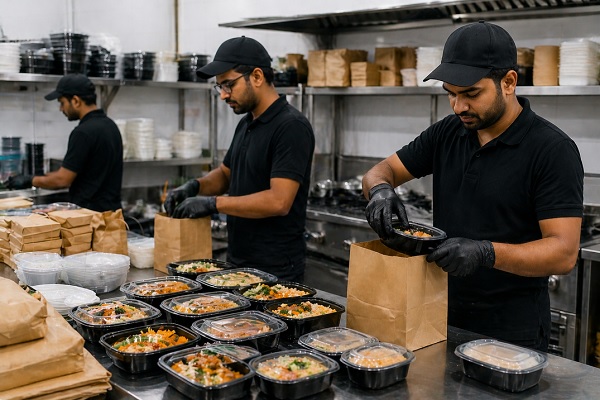
A cloud kitchen is a delivery-only food business that operates without a dine-in facility. It focuses entirely on preparing food for online orders received through apps and websites, reducing overhead costs like rent, interiors, and front-of-house staff.
Why Choose a Cloud Kitchen Model?
One of the biggest advantages of a cloud kitchen is cost efficiency. Since there’s no need for a prime location or expensive décor, initial investment is significantly lower than a traditional restaurant. Additionally, you can run multiple brands or cuisines from a single kitchen, maximizing revenue potential.
Step-by-Step Guide to Starting a Cloud Kitchen
1. Market Research & Concept
Start by identifying your target audience and popular cuisines in your area. Analyze competitors and decide whether you want to focus on a niche (like healthy meals, biryani, or desserts) or offer a multi-cuisine menu.
2. Business Plan & Budgeting
Create a clear business plan including startup costs, operational expenses, pricing strategy, and expected revenue. Key costs include kitchen setup, raw materials, staff salaries, and delivery platform commissions.
3. Choose the Right Location
While you don’t need a high-end location, accessibility is crucial. Choose an area that ensures quick delivery times and falls within high-demand zones.
4. Licenses & Registrations
Obtain necessary licenses such as FSSAI registration, GST registration, and local municipal permits to run your food business legally.
5. Kitchen Setup
Invest in essential kitchen equipment based on your menu. Ensure hygiene, proper storage, and efficient workflow to maintain food quality and speed.
6. Partner with Delivery Platforms
List your business on popular food delivery platforms. These apps provide visibility and access to a large customer base, though they charge commissions.
7. Branding & Packaging
Even without a physical storefront, branding matters. Create a strong brand identity, attractive logo, and high-quality packaging to enhance customer experience.
8. Menu Optimization
Keep your menu concise and optimized for delivery. Focus on dishes that travel well and maintain taste and presentation.
9. Marketing & Promotions
Use social media, influencer marketing, and discounts to attract customers. Online visibility plays a key role in driving orders.
10. Maintain Quality & Customer Feedback
Consistency in taste, hygiene, and delivery time is crucial. Monitor reviews and continuously improve based on customer feedback.
Challenges to Consider
While cloud kitchens are cost-effective, they come with challenges such as high competition, dependency on delivery platforms, and maintaining consistent food quality. Strategic planning and strong branding can help overcome these hurdles.
Future of Cloud Kitchens
With increasing digital adoption and changing consumer behavior, cloud kitchens are expected to grow exponentially. Innovations like AI-driven demand forecasting, smart kitchens, and hyperlocal delivery models will shape the future of this industry.
Conclusion
Starting a cloud kitchen can be a smart and scalable business opportunity in today’s fast-paced world. With the right planning, efficient operations, and strong marketing, you can build a successful food brand without the need for a traditional restaurant setup.
Source :- Oh Women