

Follow us Now on Telegram ! Get daily 10 - 12 Interesting Updates. Join our Telegram Channel https://t.me/OhWomen
Download Telegram App before Joining the Channel
1. Rise of Influencer Marketing
Influencers shape consumer trust and behavior by showcasing products in relatable, aspirational contexts.
Micro-influencers (with smaller but loyal followings) often drive higher engagement and conversion rates than celebrities.
Sponsored posts, affiliate links, and product reviews subtly guide followers toward purchases.
2. Social Proof and User-Generated Content
Consumers rely heavily on peer reviews, testimonials, and shared experiences before buying.
Platforms like Instagram and TikTok amplify visual storytelling, making products more appealing.
Authentic content—like unboxing videos or real-life usage—builds credibility and reduces buyer hesitation.
3. Targeted Advertising and Personalization
Social media platforms use advanced algorithms to deliver personalized ads based on browsing history, interests, and demographics.
This leads to impulse buying, especially when ads are paired with limited-time offers or influencer endorsements.
Retargeting strategies ensure that users see products multiple times, increasing the likelihood of purchase.
4. Mobile Shopping Integration
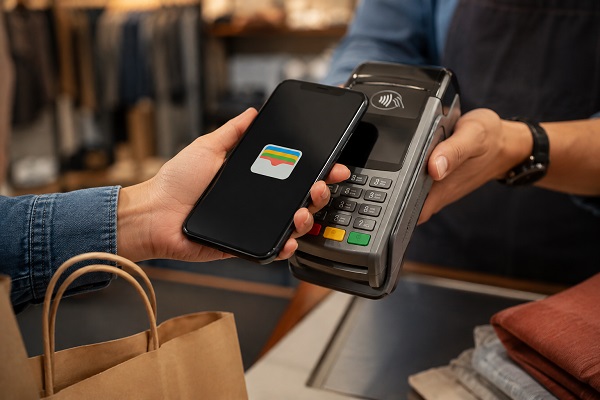
Platforms like Facebook Shops, Instagram Checkout, and Pinterest Shopping allow in-app purchases, streamlining the buying process.
Mobile-first experiences cater to users who browse and shop on-the-go, especially in regions with high smartphone penetration.
5. Shift in Brand Loyalty
Consumers now expect brands to be responsive, transparent, and socially conscious on social media.
Engagement through comments, DMs, and stories fosters community and loyalty.
Brands that fail to maintain an active and authentic presence risk losing relevance.
6. Psychological Triggers
Social media taps into FOMO (Fear of Missing Out), urgency, and exclusivity to drive sales.
Flash sales, countdown timers, and influencer “must-haves” create emotional buying triggers.
7. Generational Differences
Young adults (18–25) are the most influenced by social media when shopping, often trusting influencers more than traditional ads.
Older generations use social media more for research and reviews than impulse buying.
Conclusion
Social media has revolutionized shopping habits by merging entertainment, community, and commerce. For brands, success lies in authentic engagement, strategic influencer partnerships, and personalized experiences. For consumers, awareness of these influences can lead to more mindful and informed purchasing decisions.
Social :- Oh Women