

Follow us Now on Telegram ! Get daily 10 - 12 Interesting Updates. Join our Telegram Channel https://t.me/OhWomen
Download Telegram App before Joining the Channel
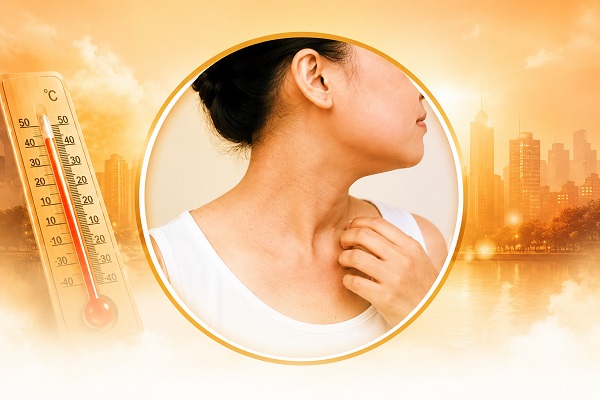
Many parts of the country are currently experiencing the effects of severe heat. Due to continuously rising temperatures and hot winds, people are facing various health-related issues. The combination of scorching sun and humid air is causing discomfort to the public. Skin-related problems become very common during such weather conditions. Health experts warn against ignoring skin issues during the summer season.
According to the National Health Mission (NHM), excessive heat and perspiration can trigger minor skin irritations; if left unaddressed in a timely manner, these issues can escalate into major problems. Sweating increases significantly during the summer season. When sweat gets trapped within skin folds or clogged pores, it leads to inflammation and irritation of the skin. Commonly referred to as 'ghamauriyan' or prickly heat, this condition primarily affects children, individuals suffering from obesity, and those prone to excessive sweating.
Looking at the primary symptoms of prickly heat, one may observe the appearance of small red bumps or pimples on the skin, intense itching accompanied by a pricking sensation, and heightened discomfort in areas such as the neck, chest, back, armpits, and skin folds; occasionally, a mild fever or burning sensation may also occur.
The NHM has outlined several simple measures for skin care during the summer. The most crucial step is to stay in a cool, low-humidity environment—specifically, spending more time in rooms equipped with a fan or air cooler. Keep the affected skin area clean and dry at all times. Ensure you thoroughly dry your body after bathing. For relief, one may use plain talcum powder, provided it is free from strong fragrances or harsh chemicals. Refrain from self-medicating by applying creams or ointments to the affected area, as this could potentially aggravate the condition. Additionally, wear loose-fitting cotton clothing that allows for proper air circulation. When venturing outdoors, make use of an umbrella or a scarf for protection.
Experts advise taking certain precautions to safeguard one's health. For instance, avoid prolonged exposure to direct sunlight and drink at least 8–10 glasses of water daily. Refrain from consuming excessively oily, spicy, or heavy meals, and pay special attention to children's skin.
Health experts note that the summer season poses a challenge for the skin; however, with a little caution and proper care, these issues can be prevented. Do not ignore early symptoms. If rashes worsen, a high fever develops, or signs of infection appear, consult a doctor immediately.
Source : - IANS