
Follow us Now on Telegram ! Get daily 10 - 12 Interesting Updates. Join our Telegram Channel https://t.me/OhWomen
Download Telegram App before Joining the Channel
Food is not only about taste—it is also about presentation. The way a dish looks on the plate can influence how appetizing it appears and even how it tastes to the diner. Professional chefs understand that plating is an art form that transforms a simple meal into a visual masterpiece. With a few simple techniques, anyone can learn how to plate food like a chef at home.
Why Food Plating Matters
The first impression of a dish comes from its appearance. Before taking the first bite, people judge the meal by how it looks. Beautifully arranged food can increase appetite and make the dining experience more enjoyable. Restaurants invest a lot of effort in plating because visual appeal enhances the perceived value of the dish.
Choose the Right Plate
The plate acts as the canvas for your culinary creation. Professional chefs usually prefer simple, neutral-colored plates, such as white or black, because they allow the food to stand out. The size of the plate is also important—too much empty space or overcrowding can ruin the presentation.
Focus on Balance and Composition
A well-plated dish should feel balanced. Arrange the main component of the dish first, such as the protein or centerpiece, and then place the side elements around it. Think of plating as creating a composition similar to artwork, where every element has its place.
Use Color for Visual Appeal
Color contrast makes food look more vibrant and appealing. For example, pairing bright vegetables like carrots, greens, or tomatoes with neutral foods such as rice or pasta can create a beautiful plate. Chefs often combine different colors to make the dish look lively and fresh.
Add Height and Layers
Flat plating can sometimes look dull. Chefs often create height by stacking ingredients or layering them. For example, placing vegetables under grilled meat or stacking pancakes neatly can make the dish look more sophisticated.
Garnish With Purpose
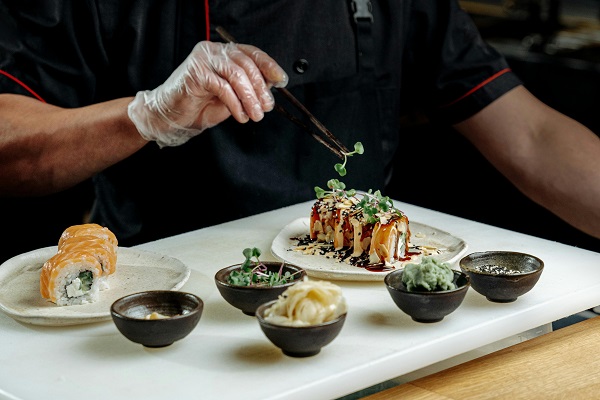
Garnishes should not only look good but also complement the flavor of the dish. Fresh herbs, edible flowers, lemon zest, or microgreens can enhance both the appearance and taste. Avoid using garnishes that do not match the dish.
Keep It Simple
One of the biggest secrets of professional plating is simplicity. Overcrowding the plate with too many elements can make it look messy. Instead, focus on a few key ingredients arranged neatly and elegantly.
Pay Attention to Details
Small details make a big difference. Wipe the edges of the plate clean, arrange ingredients carefully, and ensure each portion is evenly placed. Chefs often use tools like tweezers, squeeze bottles, or spoons to create precise designs and sauce patterns.
Practice Makes Perfect
Plating food like a chef takes practice and creativity. Experiment with different styles, colors, and arrangements until you find a presentation that looks appealing. With time, even everyday meals can look like restaurant-quality dishes.
In the end, plating is about turning food into a beautiful experience for the eyes and the palate. By paying attention to presentation, anyone can elevate a simple meal into something special.
Source :- Oh Women