
Follow us Now on Telegram ! Get daily 10 - 12 Interesting Updates. Join our Telegram Channel https://t.me/OhWomen
Download Telegram App before Joining the Channel
In a world where fast-paced lifestyles often push people toward quick and convenient meals, the importance of eating healthy food has never been greater. Healthy eating is not just a trend—it’s a long-term commitment to caring for your body, improving energy levels, and enhancing overall well-being. By choosing nutrient-rich ingredients and wholesome meals, you are making an investment that supports your physical, mental, and emotional health.
Why Healthy Food Matters
Healthy food fuels the body with essential nutrients needed for growth, repair, and daily functioning. Every bite you take has the power to strengthen your immune system, improve digestion, boost energy, and support better brain function. When you choose natural, unprocessed, and colorful foods, you give your body the clean fuel it needs to function at its best.
Eating healthy is not about strict dieting. Instead, it’s about balance—adding more whole foods, reducing high-sugar and high-fat items, and understanding what your body truly needs.
Key Components of a Healthy Diet
1. Fruits and Vegetables
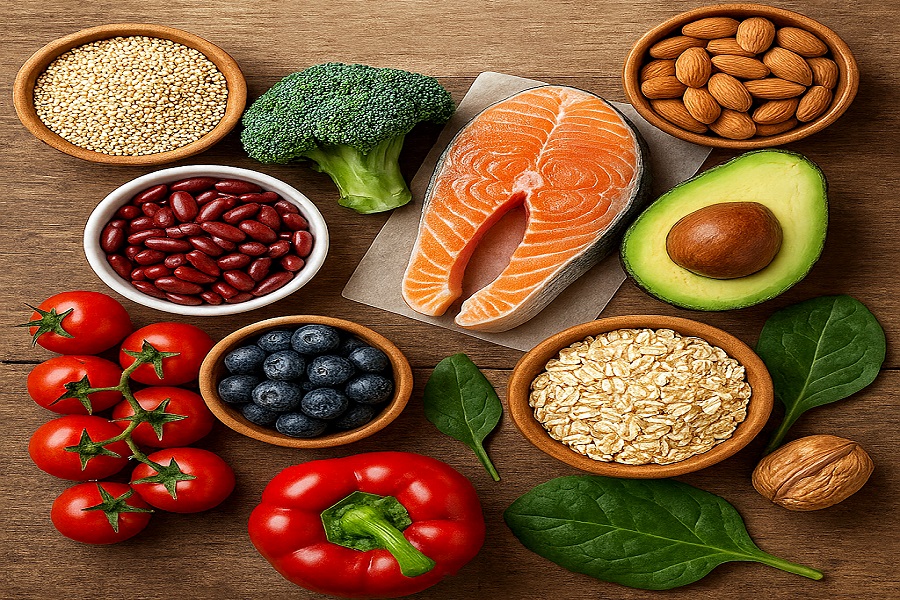
Packed with vitamins, minerals, antioxidants, and fiber, fruits and vegetables are the foundation of healthy eating. They help:
Reduce inflammation
Support heart health
Improve digestion
Boost immunity
Aim for a variety of colors on your plate: greens, reds, yellows, and purples.
2. Whole Grains
Whole grains like oats, quinoa, brown rice, and whole wheat retain their fiber and nutrients. They keep you full for longer and help regulate blood sugar levels. Unlike refined grains, whole grains provide steady energy without sudden crashes.
3. Lean Proteins
Protein is essential for building muscles, repairing tissues, and supporting immune function. Healthy sources include:
Fish (like salmon)
Eggs
Legumes (beans, lentils)
Lean meats
Nuts and seeds
Plant-based proteins also offer powerful health benefits.
4. Healthy Fats
Good fats are crucial for brain function, joint health, and hormone balance. Foods like avocados, almonds, walnuts, and olive oil provide monounsaturated and polyunsaturated fats that support heart health.
5. Hydration
Water is an essential part of a healthy diet. Staying hydrated helps maintain metabolism, cleanse toxins, and keep skin glowing. Herbal teas and fresh fruit-infused waters are great alternatives to sugary drinks.
Benefits of Eating Healthy Food
Boosts Energy Levels
Nutritious foods provide the fuel your body needs to stay active and energetic throughout the day.
Strengthens Immunity
Vitamins and antioxidants found in fruits and vegetables protect the body from infections and diseases.
Improves Mental Health
A balanced diet can enhance mood, reduce stress, and support better sleep.
Promotes Healthy Weight
Healthy foods are naturally lower in calories and fats, making it easier to maintain or achieve your ideal weight.
Enhances Skin and Hair Health
Nutrient-rich foods promote glowing skin, strong hair, and overall vitality.
How to Start Eating Healthy
Replace sugary drinks with water
Add one extra serving of vegetables daily
Avoid processed snacks
Plan meals ahead
Choose baked or grilled over fried
Read food labels carefully
Small, consistent changes lead to long-term transformation.
Conclusion
Healthy food is not just a lifestyle choice—it is a gift you give yourself every day. By choosing nourishing ingredients and eating mindfully, you can transform your health, boost your energy, and improve your overall quality of life. Remember, your body deserves the best, and healthy food is the first step toward a happier, stronger, and more vibrant you.