
Follow us Now on Telegram ! Get daily 10 - 12 Interesting Updates. Join our Telegram Channel https://t.me/OhWomen
Download Telegram App before Joining the Channel
Long-Lasting Makeup Tips: How to Keep Your Makeup Fresh All Day
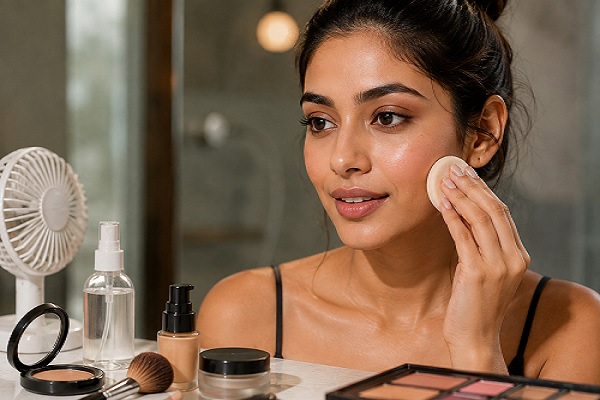
Keeping makeup fresh for hours can be challenging, especially during hot weather, humid conditions, long workdays, weddings, parties, or outdoor events. The right preparation, application techniques, and finishing steps can make a noticeable difference in how long makeup stays comfortable and polished.
Long-lasting makeup is not necessarily about applying more products. It is about preparing the skin properly, using suitable formulas, applying thin layers, and setting makeup strategically.
Why Does Makeup Fade?
Makeup can fade, crease, separate, or become patchy for several reasons. Natural oil production, sweat, humidity, touching the face, friction from masks or clothing, and unsuitable skincare or makeup formulas can all affect its longevity.
Understanding your skin and the environment is the first step toward creating a makeup routine that lasts.
1. Start With Clean Skin
Begin your makeup routine with clean skin. Use a gentle cleanser to remove excess oil, dirt, and leftover skincare products.
Avoid applying makeup over heavy residue because it can make foundation slide or separate during the day.
2. Moisturize Your Skin
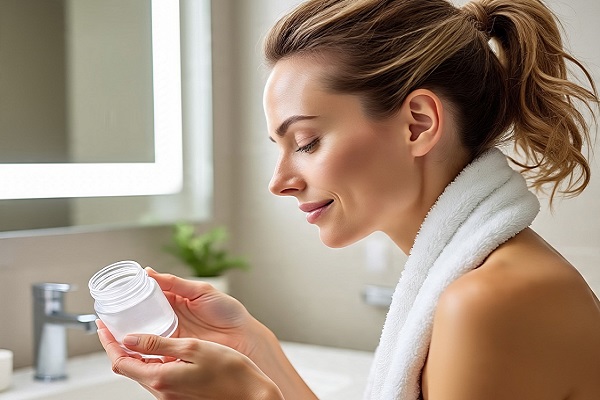
Moisturizer helps create a smooth base for makeup. Even oily skin needs hydration.
Choose a lightweight moisturizer if your skin becomes oily quickly. For dry skin, a richer hydrating moisturizer can help prevent foundation from looking flaky or uneven.
Allow your moisturizer to absorb before moving on to makeup.
3. Never Skip Sunscreen During the Day
For daytime makeup, apply a broad-spectrum sunscreen appropriate for your skin type. Allow it to settle before applying makeup.
If you are spending extended time outdoors, remember that sunscreen needs to be reapplied according to the product's directions. Makeup-friendly sunscreen options can make this easier.
4. Use the Right Primer
Primer can help create a better surface for makeup and may improve its wear.
Choose a primer according to your skin's needs:
Hydrating primer for dry skin
Smoothing primer for uneven texture
Oil-control primer for oily areas
Gripping primer for improved makeup adherence
You do not necessarily need primer all over your face. Applying it only where needed can help prevent an overly heavy base.
5. Apply Foundation in Thin Layers
One of the most common mistakes is applying too much foundation at once.
Instead, apply a small amount and blend it evenly. Add another thin layer only where additional coverage is needed.
This creates a more natural finish and can help prevent the foundation from becoming heavy or cakey.
6. Choose a Suitable Foundation Formula
Your foundation should match both your skin type and the occasion.
For long events, look for formulas described as long-wear, transfer-resistant, or suitable for your skin type.
Dry skin often benefits from hydrating formulas, while oily skin may prefer lightweight or oil-control formulas.
7. Use Concealer Strategically
Apply concealer only where additional coverage is needed, such as under the eyes, around the nose, or over specific blemishes.
Avoid applying a thick layer under the eyes because excess product can settle into fine lines and crease.
8. Set Cream Products With Powder
Lightly setting areas that tend to become oily can help improve makeup longevity.
Use a small amount of translucent or pressed powder around the forehead, nose, chin, and other areas where makeup tends to move.
For dry skin, avoid excessive powder because it can make the complexion appear dry.
9. Layer Blush for Better Longevity
If your blush tends to disappear quickly, consider layering a cream or liquid blush underneath a small amount of powder blush.
Use thin layers and blend carefully. This technique can help the color remain visible for longer.
10. Make Your Eye Makeup Last
For longer-lasting eye makeup, start with a suitable eye primer or a thin layer of concealer designed for the eye area.
Set the base lightly before applying eyeshadow. Build eyeshadow gradually rather than applying a thick layer immediately.
Water-resistant or long-wear eyeliner can be useful for long events.
11. Use Waterproof Mascara for Special Occasions
Waterproof mascara can be useful for weddings, outdoor events, humid weather, and emotional occasions.
Apply a thin, even coat and allow it to dry before adding another layer if needed.
Avoid repeatedly adding mascara throughout the day because this can create clumps.
12. Keep Eyebrow Makeup in Place
For longer-lasting brows, start with clean, dry skin around the eyebrows.
Use a brow pencil, powder, or pomade that suits your preferred finish, followed by a brow gel if needed.
Avoid applying heavy skincare products directly over the brows before makeup.
13. Use Lip Liner
Lip liner can help define the lips and create a base for lipstick.
Outline the natural lip shape and lightly fill in the lips before applying lipstick. This can also help lipstick fade more evenly.
14. Choose Long-Wearing Lip Products
For long events, long-wear lipstick, lip stains, or transfer-resistant formulas can be useful.
If your lips become dry easily, prepare them with a small amount of lip balm and allow it to absorb before applying color.
15. Blot Instead of Adding More Powder
When your face becomes oily during the day, avoid immediately adding several layers of powder.
Use blotting paper or a clean tissue to gently remove excess oil first. Then apply a small amount of powder only where necessary.
This helps prevent a heavy, cakey appearance.
16. Use Setting Spray
A setting spray can help finish the makeup routine and may improve wear depending on the formula.
Hold the bottle at the recommended distance and mist evenly over the face. Allow it to dry naturally rather than touching the skin immediately.
17. Avoid Touching Your Face
Touching your face throughout the day can transfer makeup and introduce oil and dirt onto the skin.
Try to avoid rubbing the forehead, cheeks, nose, or chin, especially after completing your makeup.
18. Consider the Weather
Your makeup routine should change according to the climate.
Hot Weather
Use lightweight layers, oil-control products where needed, waterproof eye makeup, and a suitable setting product.
Humid Weather
Choose products designed for longer wear and avoid applying excessive cream products.
Cold Weather
Focus more on hydration and skin preparation to prevent makeup from becoming dry or patchy.
Rainy Weather
Water-resistant eye and complexion products can be helpful, particularly when spending time outdoors.
Long-Lasting Makeup Routine
A simple long-wear routine can look like this:
Cleanse the skin.
Apply moisturizer.
Apply daytime sunscreen.
Use primer where needed.
Apply a thin layer of foundation.
Add concealer selectively.
Set oily areas lightly with powder.
Apply blush and other complexion products.
Complete eye makeup.
Apply lip liner and lipstick.
Finish with setting spray.
Carry a small touch-up kit for later.
Long-Lasting Makeup Touch-Up Kit
For a full-day event, keep a few essentials in your handbag:
Compact powder
Blotting papers
Lipstick or lip tint
Lip balm
Small mirror
Cotton swabs
Tissues
Mini setting spray
You usually do not need to carry your entire makeup collection.
Common Mistakes to Avoid
Applying Too Much Product
More makeup does not automatically mean longer-lasting makeup. Heavy layers can separate and crease.
Skipping Skin Preparation
Dry or overly oily skin can make makeup difficult to apply evenly.
Using Too Much Powder
Excess powder can make skin appear dry and emphasize texture.
Touching Makeup Frequently
Constant touching can remove foundation, blush, and other products.
Ignoring Product Compatibility
Some skincare and makeup formulas may not work well together. If products repeatedly separate, consider simplifying your base routine and testing different combinations.
Tips for Long-Lasting Wedding Makeup
Wedding makeup needs to withstand photographs, emotions, dancing, heat, and long hours.
Use lightweight layers, waterproof eye makeup where appropriate, long-wear complexion products, and a reliable setting product. Always test the complete routine before the event so you know how the products behave on your skin.
Final Thoughts
Long-lasting makeup starts with good skin preparation and smart product application. Cleanse and moisturize the skin, use suitable primer, apply thin layers, set strategically, and choose formulas that suit your skin type and the environment.
Most importantly, avoid trying too many new products immediately before an important event. A simple, well-tested routine is often more reliable than a complicated one.
With the right preparation and techniques, you can keep your makeup looking fresh, comfortable, and polished for much longer.
Source :- Oh Women