
Follow us Now on Telegram ! Get daily 10 - 12 Interesting Updates. Join our Telegram Channel https://t.me/OhWomen
Download Telegram App before Joining the Channel
Gentle Baby Skincare Shopping Guide for 2026
Baby skin is delicate and can be more sensitive to irritation than adult skin. Choosing simple, gentle skincare products can help parents build a practical baby-care routine without buying unnecessary items. A good shopping approach is to focus on mild, fragrance-free products and avoid ingredients that may irritate sensitive skin.
Essential Baby Skincare Products
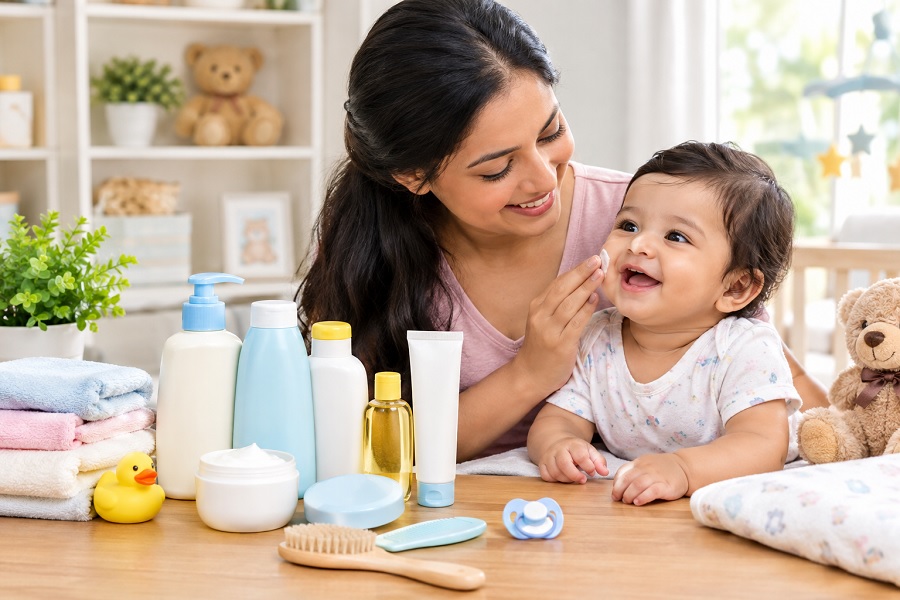
Parents do not need a large collection of skincare products for a newborn. A basic shopping list can include:
Mild baby cleanser or wash
Fragrance-free baby moisturizer
Protective diaper cream
Baby shampoo, if needed
Petroleum jelly or a simple protective ointment
Soft washcloths
Baby-friendly sunscreen for older babies when appropriate
Soft towels
For newborns, fewer products are often better. A gentle cleanser and moisturizer may be sufficient for everyday care.
What to Look for When Shopping
1. Fragrance-Free Formulas
When possible, choose products labelled fragrance-free rather than simply “unscented.” Added fragrances can sometimes irritate delicate skin.
2. Simple Ingredient Lists
Look for products with straightforward ingredient lists. Avoid buying multiple products with unnecessary active ingredients when basic cleansing and moisturizing are all that is needed.
3. Gentle Moisturizers
A simple cream or ointment can help maintain the skin barrier, particularly when the skin becomes dry. Thicker creams and ointments may provide more protection than very light lotions.
4. Diaper Cream
A diaper-area protective cream can be useful for preventing or managing mild irritation. Zinc oxide is a commonly used protective ingredient in diaper creams.
5. Mild Cleansers
Choose a gentle cleanser designed for babies. Avoid harsh soaps that can strip the skin's natural oils.
Ingredients Parents May Prefer
Depending on the baby's skin and individual needs, shoppers may look for products containing ingredients such as:
Ceramides
Glycerin
Petrolatum
Colloidal oatmeal
Zinc oxide
These ingredients are commonly used in products designed to moisturize, protect or support the skin barrier.
Ingredients and Products to Be Cautious About
Parents may want to avoid or limit products containing:
Strong fragrances
Essential oils
Harsh exfoliating ingredients
Adult anti-aging products
Strong acne treatments
Unnecessary essential-oil blends
Products marketed with numerous active ingredients
Natural does not automatically mean safer for babies. Some essential oils and botanical ingredients can cause irritation or allergic reactions.
Baby Skincare Shopping by Age
Newborn Stage
For a newborn, concentrate on basic products such as a gentle cleanser, moisturizer, diaper-area protection and soft towels.
3 to 6 Months
Parents can continue the basic routine and introduce other products only when necessary. Always consider the baby's individual skin response.
6 Months and Older
As babies become more mobile and spend more time outdoors, sun-protection products become increasingly relevant. Choose an age-appropriate sunscreen and follow its label directions.
How to Choose Baby Moisturizer
A moisturizer should leave the skin comfortable without causing redness, burning or excessive greasiness. For very dry areas, a thicker cream or ointment may be more useful than a lightweight lotion.
Apply moisturizer after bathing while the skin is still slightly damp to help retain moisture.
Baby Diaper Care Shopping Tips
Diaper-area products should provide a protective barrier and be easy to spread and clean.
When shopping for diaper cream, parents can consider zinc oxide-based formulas, particularly when the baby experiences mild redness or irritation.
Change diapers regularly and keep the diaper area clean and dry.
Baby Bath Product Shopping Tips
A baby does not necessarily need a long list of bath products. Choose a mild cleanser and use lukewarm water.
Avoid very hot water and long baths, as they can contribute to dryness.
After bathing, gently pat the baby's skin dry rather than rubbing it.
Patch Testing New Products
Before using a new skincare product extensively, parents can apply a small amount to a limited area of skin and observe for irritation.
If redness, swelling, itching or another reaction develops, stop using the product and seek medical advice if the reaction is significant or persistent.
Shopping Tips for Sensitive Baby Skin
For babies with particularly sensitive skin, parents should consider:
Fragrance-free products
Minimal ingredient formulas
Products designed for sensitive skin
Creams or ointments instead of heavily scented lotions
Avoiding unnecessary skincare products
Checking expiry dates before purchasing
If a baby develops persistent rashes, severe dryness, swelling or signs of infection, professional medical advice is appropriate rather than repeatedly changing skincare products.
Baby Sunscreen Shopping Guide
For babies under 6 months, sun protection generally focuses on shade, protective clothing and avoiding direct sunlight when possible. For babies 6 months and older, sunscreen can be used as appropriate.
Look for broad-spectrum sunscreen and follow the product's age recommendations. Mineral sunscreen ingredients such as zinc oxide or titanium dioxide are commonly considered options for sensitive skin.
Eco-Friendly Baby Skincare Shopping
Parents interested in sustainable shopping can look for:
Refillable packaging
Recyclable containers
Minimal packaging
Reusable washcloths
Products with responsibly sourced ingredients
However, environmental claims should not replace checking whether a product is suitable for a baby's skin.
Budget-Friendly Baby Skincare Shopping
Baby skincare does not need to be expensive. A practical starter kit can contain:
One gentle cleanser
One fragrance-free moisturizer
One diaper barrier cream
Soft towels
Washcloths
Age-appropriate sun protection when required
Buying fewer multipurpose products can reduce both cost and product waste.
Baby Skincare Shopping Checklist
Before purchasing, check:
Is the product suitable for the baby's age?
Is it fragrance-free?
Does it have a simple ingredient list?
Is the packaging sealed?
Is the expiry date clearly visible?
Is the product appropriate for the intended body area?
Does the brand provide clear usage instructions?
Is the product from a reliable retailer?
Common Baby Skincare Shopping Mistakes
Parents can avoid common mistakes by not purchasing too many products at once. Buying several new products makes it difficult to identify which product may have caused irritation.
It is also better to avoid choosing a product simply because it has a strong fragrance or attractive packaging. Baby skincare should prioritize gentleness and suitability over appearance or scent.
Source :- OhWomen