
Follow us Now on Telegram ! Get daily 10 - 12 Interesting Updates. Join our Telegram Channel https://t.me/OhWomen
Download Telegram App before Joining the Channel
The beauty and skincare industry continues to evolve rapidly, with women increasingly looking for treatments that support healthier-looking, smoother, and more radiant skin. In 2026, skincare trends are focusing on personalized routines, advanced technology, preventive care, skin barrier support, and treatments designed around individual skin needs.
From professional facials and chemical peels to laser-based procedures and non-invasive technologies, there are many options available. However, the most suitable treatment depends on factors such as skin type, age, concerns, medical history, and individual goals.
1. Hydrating Facial Treatments
Hydrating facials remain popular among women who want to improve the appearance of dry or dehydrated skin. These treatments typically focus on cleansing, exfoliation, hydration, and moisturizing.
Professional hydration treatments can leave the skin feeling refreshed and temporarily improve its appearance. They are particularly popular before special occasions and events.
2. Chemical Peels
Chemical peels use specially formulated solutions to remove damaged outer layers of skin. Depending on the type and strength of the peel, they may be used to address concerns such as uneven skin tone, dullness, and certain types of acne.
Because stronger peels can cause irritation and require recovery time, women should consult a qualified dermatologist before choosing a treatment.
3. Microneedling
Microneedling has become a popular cosmetic treatment for women seeking to improve the appearance of skin texture and certain types of scars.
The procedure uses very fine needles to create controlled micro-injuries in the skin, stimulating the body's natural healing response. Professional treatment should be performed by a qualified practitioner using appropriate sterile equipment.
4. Laser Skin Treatments
Laser treatments are used for a variety of cosmetic concerns, including pigmentation, unwanted hair, redness, and signs of skin aging.
Different laser technologies are designed for different purposes, and treatment suitability varies by skin type and condition. A professional consultation is important because some laser treatments may carry a higher risk of pigmentation changes, particularly for certain skin tones.
5. LED Light Therapy
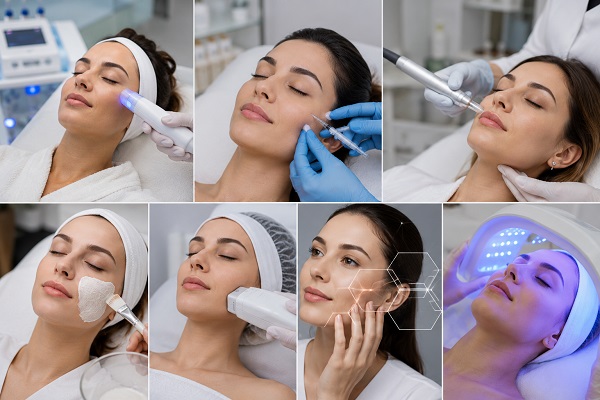
LED light therapy is a non-invasive treatment that uses specific wavelengths of light. Different light wavelengths are used for different cosmetic purposes.
Many women choose LED treatments as part of their broader skincare routines. Professional sessions and some home-use devices are available, although results can vary depending on the device and the individual's skin concerns.
6. Hydradermabrasion and Advanced Facial Treatments
Modern facial treatments often combine cleansing, exfoliation, and hydration in a single session. These treatments are popular among women who want a refreshed appearance without significant downtime.
They are often included in beauty and wellness packages at spas and skincare clinics.
7. Dermaplaning
Dermaplaning is a cosmetic procedure that uses a specialized blade to gently remove the outermost layer of dead skin cells and fine facial hair.
The treatment can create a smoother surface and may help makeup apply more evenly. It should be performed by a trained professional using proper hygiene practices.
8. Radiofrequency Skin Treatments
Radiofrequency technology uses controlled energy to heat deeper layers of the skin. It is commonly promoted for improving the appearance of skin firmness and texture.
Some treatments combine radiofrequency with other technologies, while others use it as a standalone procedure. Women considering these treatments should seek advice from a qualified professional.
9. Ultrasound-Based Treatments
Ultrasound technologies are used in some cosmetic treatments to target deeper layers of tissue. These procedures are generally marketed for skin tightening and improving the appearance of facial contours.
The results and suitability depend on the specific technology and individual circumstances. Professional assessment is recommended before treatment.
10. Professional Acne Treatments
Acne remains a common skin concern among women of different ages. Professional acne treatments may include prescription skincare, chemical peels, light-based treatments, or other dermatologist-recommended approaches.
The best treatment depends on the type and severity of acne. Women with persistent or painful acne should consider consulting a dermatologist rather than relying only on cosmetic treatments.
11. Treatments for Hyperpigmentation
Uneven pigmentation and dark spots are common skincare concerns. Professional treatment options may include topical products, chemical peels, laser procedures, and other technologies.
Sun protection is an important part of managing pigmentation concerns. Without consistent protection from ultraviolet radiation, pigmentation can become more noticeable or return after treatment.
12. Skin Barrier Repair Treatments
Skin barrier health has become a major focus of modern skincare. Treatments and routines designed to support the skin barrier often emphasize gentle cleansing, moisturization, and avoiding excessive exfoliation.
Women with sensitive or irritated skin may benefit from simplifying their skincare routines and choosing products formulated for their specific needs.
13. Personalized Skincare Treatments
Personalized skincare is becoming increasingly popular in 2026. Instead of following a single universal routine, women are increasingly choosing products and treatments based on their individual skin characteristics.
Professional skin assessments can help identify concerns and create more targeted treatment plans. However, consumers should be cautious about relying solely on automated or app-based recommendations for medical skin conditions.
14. Preventive Skincare and Early Treatment
Many women are becoming more interested in preventive skincare rather than waiting for visible signs of aging or damage.
Daily sunscreen use, appropriate moisturization, gentle cleansing, and evidence-based active ingredients can play important roles in maintaining healthy-looking skin.
Professional treatments may complement a skincare routine, but they should not replace basic daily skin protection.
15. Non-Invasive Skin Rejuvenation
Non-invasive and minimally invasive cosmetic treatments continue to attract women who prefer procedures with limited downtime.
Depending on individual needs, options may include light-based treatments, radiofrequency, ultrasound technologies, and professional facials.
It is important to understand that "non-invasive" does not always mean risk-free. Women should discuss potential side effects and realistic outcomes with qualified providers.
How to Choose the Right Skin Treatment
Choosing a skin treatment should begin with identifying the specific concern. A treatment suitable for acne may not be appropriate for pigmentation or sensitive skin.
Women should consider:
Skin type and sensitivity
Specific skincare concerns
Expected results
Recovery or downtime
Potential side effects
Treatment cost
Provider qualifications
Long-term skincare requirements
A consultation with a qualified dermatologist or licensed skincare professional can help determine the most appropriate approach.
Importance of Professional Guidance
Beauty trends change quickly, but not every popular treatment is suitable for everyone. Skin conditions can sometimes require medical diagnosis and treatment rather than cosmetic procedures.
Before undergoing a procedure, women should verify the qualifications of the practitioner, ask about potential risks, understand aftercare requirements, and discuss whether the treatment is appropriate for their skin type.
Skincare Trends to Watch in 2026
The beauty industry is expected to continue moving toward personalized care, skin barrier support, sustainable beauty, and technology-assisted skincare.
Women are also becoming more interested in combining professional treatments with simple home routines. Instead of relying exclusively on intensive procedures, many consumers are adopting a balanced approach that includes daily skincare, sun protection, healthy lifestyle habits, and occasional professional treatments.
Conclusion
Popular skin treatments for women in 2026 reflect a growing interest in personalized beauty, preventive skincare, and advanced cosmetic technology. Hydrating facials, chemical peels, microneedling, LED therapy, laser treatments, and non-invasive skin rejuvenation are among the options attracting attention.
The best skincare approach is highly individual. Women should choose treatments based on their specific needs and seek professional guidance when considering procedures or treating persistent skin concerns. With informed decisions and consistent daily skincare, modern beauty treatments can become part of a broader approach to maintaining healthy-looking and confident skin.
Source :- Oh Women