

Follow us Now on Telegram ! Get daily 10 - 12 Interesting Updates. Join our Telegram Channel https://t.me/OhWomen
Download Telegram App before Joining the Channel
What Is Dermaplaning?
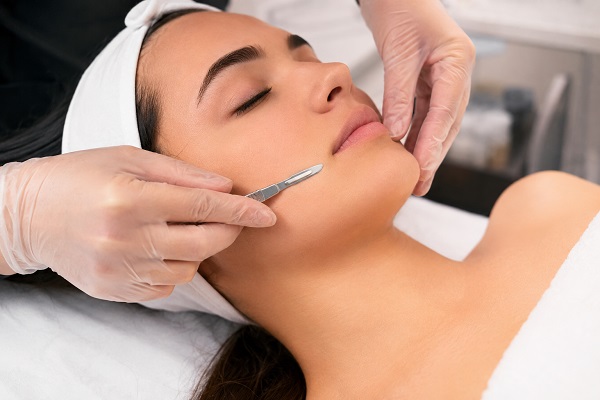
Dermaplaning is a non-invasive skincare treatment that gently removes dead skin cells and fine facial hair (commonly called peach fuzz) using a sterile surgical blade. This exfoliation technique leaves the skin feeling smoother, looking brighter, and better prepared to absorb skincare products and makeup.
Suitable for most skin types, dermaplaning has become one of the most popular facial treatments for achieving an instantly refreshed complexion without downtime.
Benefits of Dermaplaning
Dermaplaning offers several skin-enhancing benefits, including:
Instantly smoother and softer skin
Brighter and more radiant complexion
Improved absorption of serums and moisturizers
Flawless makeup application
Reduction in the appearance of fine lines
Gentle exfoliation without harsh chemicals
Removal of peach fuzz for a polished finish
Enhanced skin texture and tone
Who Is a Good Candidate?
Dermaplaning is suitable for people who:
Have dry or rough skin
Want brighter-looking skin
Experience dull complexion
Want smoother makeup application
Have mild acne scars
Desire a quick, non-invasive skin refresh
However, individuals with active acne, inflamed skin, eczema flare-ups, psoriasis, or skin infections should avoid dermaplaning until their skin has healed.
How the Procedure Works
A professional begins by cleansing the skin thoroughly. Using a sterile surgical blade held at a 45-degree angle, the practitioner carefully glides across the skin's surface to remove dead skin cells and fine hair.
The procedure typically takes between 30 and 45 minutes and is painless for most people. After treatment, a soothing moisturizer and sunscreen are applied to protect the freshly exfoliated skin.
Does Dermaplaning Hurt?
Dermaplaning is generally painless. Most people describe the sensation as a light scraping or brushing against the skin. There is no need for anesthesia, and recovery time is minimal.
Aftercare Tips
Proper aftercare helps maintain your results:
Apply broad-spectrum sunscreen daily.
Keep the skin moisturized.
Avoid direct sun exposure for 48 hours.
Skip harsh exfoliants and retinoids for several days.
Avoid hot steam, saunas, and intense workouts for 24 hours.
Drink plenty of water to keep your skin hydrated.
Use gentle skincare products for the first few days.
Common Myths About Dermaplaning
Myth 1: Hair Grows Back Thicker
This is false. Dermaplaning does not change the thickness, color, or growth rate of facial hair. Hair grows back with the same texture as before.
Myth 2: It's Only for Women
Dermaplaning can benefit anyone looking for smoother, healthier-looking skin.
Myth 3: It Causes Breakouts
When performed correctly on suitable skin, dermaplaning does not cause acne. In fact, it can help improve skin texture by removing dead skin buildup.
How Often Should You Dermaplane?
Most skincare professionals recommend dermaplaning every 3 to 4 weeks. This schedule matches the skin's natural renewal cycle and helps maintain smooth, radiant skin.
Professional vs. At-Home Dermaplaning
Professional dermaplaning provides deeper exfoliation with sterile medical-grade tools and trained techniques. At-home dermaplaning tools are available but require caution to avoid cuts, irritation, or infection. Beginners should follow instructions carefully or seek treatment from a licensed skincare professional.
Possible Side Effects
Dermaplaning is generally safe, but temporary side effects may include:
Mild redness
Slight sensitivity
Temporary dryness
Increased sun sensitivity
These effects usually resolve within a day or two.
Final Thoughts
Dermaplaning is an effective, quick, and non-invasive treatment for achieving smoother, brighter, and healthier-looking skin. Whether you're preparing for a special event or simply maintaining your skincare routine, regular dermaplaning can improve skin texture, enhance product absorption, and create a naturally radiant complexion. Always consult a qualified skincare professional if you have sensitive skin or underlying skin conditions before undergoing treatment.
Source :- Oh Women