
Follow us Now on Telegram ! Get daily 10 - 12 Interesting Updates. Join our Telegram Channel https://t.me/OhWomen
Download Telegram App before Joining the Channel
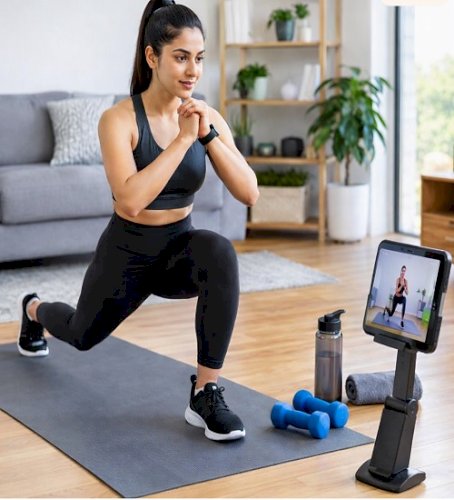
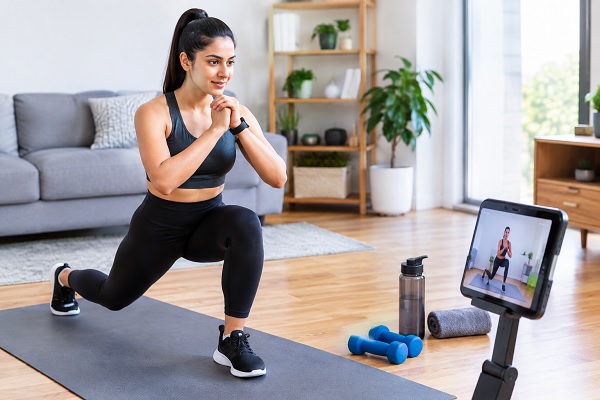
Fitness Apps and Digital Home Workouts: A Convenient Way to Stay Active
Introduction
Fitness has become increasingly accessible through smartphones, tablets, smart TVs, and wearable devices. Fitness apps and digital home workouts allow people to exercise at home, outdoors, or while travelling without depending entirely on a traditional gym.
In 2026, mobile exercise apps remain a major fitness trend. The American College of Sports Medicine (ACSM) ranks Mobile Exercise Apps fourth among its 2026 worldwide fitness trends. These apps can provide on-demand, scheduled, live-streamed, and recorded workouts, along with goal-setting and progress-tracking features.
What Are Fitness Apps?
Fitness apps are digital platforms designed to help users plan, perform, and monitor physical activity. Depending on the app, users may find:
Home workout videos
Walking and running programs
Strength-training routines
Yoga and stretching sessions
Mobility exercises
Cardio workouts
Guided meditation and breathing exercises
Workout timers
Step and activity tracking
Progress reports
Exercise reminders
Personalised workout plans
Some apps can also connect with smartwatches and fitness trackers to collect information such as steps, heart rate, workout duration, and other activity measurements. ACSM identifies wearable technology and data-driven technology as important 2026 fitness trends alongside mobile exercise apps.
Benefits of Digital Home Workouts
1. Convenience
One of the biggest advantages is flexibility. A workout can be completed at home without travelling to a gym. This can make exercise easier to fit around work, studies, family responsibilities, and other daily activities.
2. Flexible Workout Options
Digital platforms offer workouts of different lengths and difficulty levels. Someone with only 15 to 20 minutes available may choose a short session, while another person may follow a longer strength or cardio workout.
3. Support for Beginners
Many apps provide step-by-step demonstrations and beginner programs. This can help people understand basic movements before progressing to more challenging exercises.
4. Goal Setting and Progress Tracking
Fitness apps can allow users to record workouts, track activity, set goals, and monitor consistency. ACSM notes that goal setting and progress tracking are among the features users value in mobile exercise apps.
5. Exercise at Home With Minimal Equipment
Many digital workouts use bodyweight movements such as squats, lunges, push-ups, planks, and mobility exercises. Some programs can be performed with simple equipment such as resistance bands, a yoga mat, or light dumbbells.
Popular Types of Digital Home Workouts
Strength Training
Strength workouts can include bodyweight exercises, resistance bands, dumbbells, and other home equipment. Regular muscle-strengthening activity is an important part of a balanced exercise routine.
Cardio Workouts
Home cardio sessions can include marching, low-impact aerobics, dance workouts, step exercises, and other movements that raise the heart rate.
Yoga and Mobility
Yoga, stretching, Pilates, and mobility sessions can be useful for people who want to work on flexibility, balance, movement quality, and relaxation.
Walking Workouts
Walking programs are particularly accessible because they require little or no equipment. Apps can provide walking schedules, reminders, distance tracking, and progress goals.
HIIT Workouts
High-intensity interval training uses alternating periods of harder activity and recovery. Beginners should select suitable intensity levels and focus on proper exercise technique rather than simply trying to exercise as hard as possible.
How Much Exercise Should Adults Get?
The World Health Organization recommends that adults generally get 150 to 300 minutes of moderate-intensity aerobic physical activity per week, or 75 to 150 minutes of vigorous-intensity activity, or an equivalent combination. It also recommends muscle-strengthening activities involving major muscle groups on at least two days each week.
A digital workout app can help users organize these activities throughout the week. However, the goal should be to build a sustainable routine rather than trying to complete every available workout.
How to Choose a Fitness App
Before choosing an app, consider:
Workout quality: Look for clear exercise demonstrations and programs appropriate for your fitness level.
Goal selection: Choose an app that matches your goal, such as general fitness, strength, mobility, endurance, or maintaining an active lifestyle.
Progress tracking: Tracking workouts and activity can help you understand your consistency.
Trainer credentials: Where professional guidance is provided, check the qualifications and experience of the trainer.
Privacy: Review what personal and health information the app collects and how that information is used.
Cost: Compare free features, subscriptions, and optional equipment requirements before committing to a paid plan.
Creating a Digital Home Workout Routine
A simple weekly routine could combine different forms of activity:
Monday: Strength workout
Tuesday: Walking or cardio
Wednesday: Mobility or yoga
Thursday: Strength workout
Friday: Cardio or dance workout
Saturday: Longer outdoor walk or recreational activity
Sunday: Rest or gentle stretching
The exact schedule should be adjusted according to individual fitness level, availability, recovery, and health needs.
Important Safety Tips
Digital workouts are convenient, but users should still exercise carefully.
Start with an appropriate beginner level.
Warm up before more demanding exercise.
Learn the correct technique before increasing intensity.
Increase workout difficulty gradually.
Take rest and recovery days when needed.
Stay hydrated.
Stop if you experience unusual pain, dizziness, or other concerning symptoms.
People with health conditions or specific exercise concerns should seek appropriate professional medical or exercise guidance before beginning a new program.
WHO also emphasizes that any amount of physical activity is better than none, while recommending that people reduce sedentary time and include regular movement throughout the day.
Fitness Apps and Wearable Technology
The combination of fitness apps and wearable devices is becoming an important part of digital fitness. Smartwatches and fitness trackers can provide information about activity and other measurements, while apps can help users interpret and organize their exercise routines.
ACSM's 2026 trends report highlights wearable technology as its No. 1 fitness trend, with mobile exercise apps at No. 4 and data-driven technology at No. 8.
However, health and fitness data should be treated as a useful guide rather than automatically assuming every measurement is perfectly accurate. Users should focus on broader patterns and personal goals rather than becoming overly focused on individual numbers.
The Future of Digital Home Fitness
Digital fitness is likely to continue developing through personalised workout recommendations, connected wearables, interactive classes, progress tracking, and data-informed training. The growing use of mobile technology also makes it possible for people to access structured exercise programs without being physically present in a gym.
WHO has also highlighted mobile health technologies as a way to promote physical activity, including through programs designed to encourage walking and healthier activity habits.
Conclusion
Fitness apps and digital home workouts have made exercise more flexible and accessible. From beginner stretching sessions to strength training, walking programs, cardio workouts, and yoga, users can choose activities that fit their schedules and preferences.
The most important factor is consistency. A simple workout routine that can be followed regularly may be more practical than an overly demanding program that is difficult to maintain. By combining digital tools with safe exercise habits, regular movement, adequate recovery, and realistic goals, people can make physical activity a sustainable part of everyday life.
Source :- OhWomen