

Follow us Now on Telegram ! Get daily 10 - 12 Interesting Updates. Join our Telegram Channel https://t.me/OhWomen
Download Telegram App before Joining the Channel
Healthy Food Shopping Trends in 2026: A Smarter Guide to Choosing Nutritious Foods
Introduction
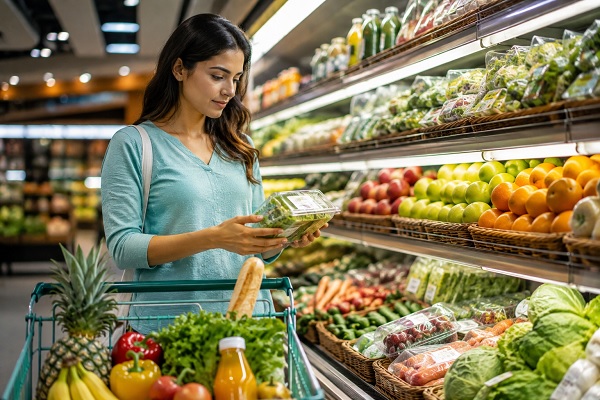
Healthy food shopping is becoming an important part of everyday lifestyle choices in 2026. Consumers are increasingly looking beyond basic grocery needs and paying attention to ingredients, protein, fiber, sugar, processing, convenience, affordability, and product transparency.
In India, the food and nutrition category is changing particularly quickly. Flipkart reported 50% year-on-year growth in its food and nutrition category in July 2026, with younger consumers and shoppers from Tier 2 and smaller cities helping drive demand for healthier, premium and discovery-led products.
What Are Healthy Food Shopping Trends?
Healthy food shopping trends describe the changing ways consumers select, compare and purchase foods that fit their nutritional, lifestyle and wellness goals. These trends include increased interest in protein-rich foods, clean-label products, whole foods, functional beverages, healthier snacks, locally produced ingredients and convenient digital grocery shopping.
The idea of "healthy food" is also becoming broader. Current consumer research shows that people increasingly consider freshness, ingredients and the degree of processing alongside traditional nutritional information.
1. Growing Demand for Protein-Rich Foods
Protein has become one of the strongest themes in healthy food shopping. Shoppers are looking for products such as protein oats, Greek-style yogurt, paneer, eggs, nuts, seeds, pulses, high-protein snacks and protein-enriched breakfast products.
In India, Flipkart reported strong demand for protein oats, high-protein peanut butter and protein muesli among younger consumers.
Consumers should still compare the complete nutrition panel rather than choosing a product simply because the word "protein" appears prominently on the package.
2. Clean-Label and Ingredient Transparency
Shoppers are increasingly interested in knowing what goes into their food. Shorter ingredient lists, recognizable ingredients and clear nutritional information can make products easier to evaluate.
A 2025 NIQ study found that 64% of Indian consumers surveyed prioritized transparency, including detailed product information and performance claims.
This makes label reading an important part of modern grocery shopping.
3. Fiber-Rich Food Choices
Fiber is receiving more attention as consumers become interested in digestive health and balanced diets. Shopping baskets increasingly include oats, whole grains, beans, lentils, fruits, vegetables, nuts and seeds.
Food-trend analysis for 2026 also identifies protein and fiber as particularly important areas of consumer interest.
4. Interest in Gut-Friendly Foods
Gut health continues to influence food purchasing decisions. Consumers are exploring foods such as yogurt, fermented foods, fruits, vegetables, whole grains and other foods that can contribute to a varied diet.
In India, 2026 food-and-beverage trend research identifies gut health as one of the important areas shaping consumer interest.
Rather than relying on one "superfood," shoppers can focus on variety and overall dietary balance.
5. Healthier Snacking
Snacking is shifting from purely indulgent products toward options that can fit into everyday wellness routines. Nuts, seeds, roasted legumes, fruit-based snacks, lower-sugar products and protein-oriented snacks are gaining attention.
A 2026 Indian healthy-snacking survey reported strong consumer interest in protein, clean labels and lower-sugar choices.
6. Lower-Sugar Shopping
Many shoppers are becoming more conscious of added sugar in beverages, breakfast products, sauces, desserts and packaged snacks.
A useful shopping habit is to compare similar products and check the nutrition panel and ingredient list instead of relying only on front-of-pack claims such as "natural" or "healthy."
7. Whole Foods and Minimally Processed Ingredients
Fresh vegetables, fruits, pulses, whole grains, nuts, seeds and other basic ingredients remain important components of healthy shopping baskets.
The growing discussion around highly processed foods is also influencing how consumers evaluate packaged products. Current consumer research shows that the degree of processing is increasingly part of how people define healthy food.
8. Functional Foods and Beverages
Functional products are becoming another major shopping category. Consumers are looking for products associated with specific wellness needs, including protein beverages, fortified foods, functional teas and other nutrition-focused products.
However, shoppers should distinguish between a product's marketing claims and established nutritional information.
9. Healthy Food Shopping Goes Digital
Online grocery platforms make it easier to compare products, prices, ingredients and customer reviews. Digital shopping is particularly useful for people who want to create repeat grocery lists or search for specific nutritional characteristics.
NIQ reports that consumers increasingly use online sources, AI and digital tools for health-product discovery, while quick and social commerce are becoming important shopping channels in Asia-Pacific.
10. Quick Commerce and Healthy Grocery Delivery
Fast grocery delivery is changing how people purchase everyday foods. Consumers can order fresh produce, dairy products, packaged foods and nutrition-oriented products without making a traditional supermarket trip.
In India, quick commerce is already contributing significantly to food and nutrition demand; Flipkart reported that its quick-commerce service contributed 25% of overall demand in its food and nutrition category.
At the same time, convenience should not replace attention to product quality, storage conditions and food safety.
11. Locally Produced Food
Local and regional food products are gaining attention among consumers interested in freshness, traceability and supporting local producers.
PwC's India consumer research found that 53% of Indian respondents preferred locally produced food even when it was more expensive.
This creates opportunities for farmers, regional food brands and local grocery businesses.
12. Sustainable Food Shopping
Sustainability remains part of the healthy-shopping conversation. Consumers may consider pesticide-free products, environmentally friendly packaging, responsible sourcing and food waste reduction.
PwC found that Indian consumers identified pesticide-free products, environmental initiatives and environmentally friendly packaging among important sustainability practices when purchasing food.
13. Affordable Healthy Shopping
Healthy shopping does not always have to mean buying expensive specialty products. Seasonal vegetables, fruits, pulses, lentils, whole grains and locally available foods can provide economical options.
Price remains a major factor in food purchasing decisions. Current consumer research also shows that cost is a significant barrier to healthier choices.
14. Smart Grocery Planning
Planning before shopping can help consumers avoid unnecessary purchases. A practical shopping list can be organized into categories such as:
Fruits and vegetables
Whole grains
Pulses and legumes
Protein-rich foods
Dairy or suitable alternatives
Nuts and seeds
Healthy cooking ingredients
Convenient nutritious snacks
Planning also makes it easier to build balanced meals throughout the week.
15. Reading Food Labels
One of the most useful healthy-shopping skills is learning how to read labels. Consumers can compare:
Serving size
Calories
Protein
Fiber
Added sugar
Saturated fat
Sodium
Ingredient list
Allergens
Expiry or best-before information
In India, nutrition labeling is also receiving regulatory attention, with FSSAI recently discussing changes to how nutritional information could be presented on packaged foods.
16. Personalized Healthy Shopping
Consumers increasingly want food choices that fit their individual lifestyles, such as high-protein diets, vegetarian preferences, convenient breakfasts, family meals or lower-sugar choices.
Digital tools and AI may make personalized product discovery easier, but recommendations should complement—not replace—reliable nutritional information and professional advice when specialized dietary needs are involved.
17. Healthy Shopping for Families
Family grocery shopping increasingly focuses on foods that are nutritious, convenient and appealing to different age groups.
Parents can prioritize a variety of fruits and vegetables, whole grains, pulses, suitable protein sources and minimally processed everyday foods while keeping occasional treats as part of an overall balanced approach.
18. The Future of Healthy Food Shopping
The future of healthy grocery shopping will likely combine nutrition, convenience, affordability, technology and transparency.
Consumers are becoming more informed, while retailers are using digital platforms, personalized recommendations and rapid delivery to make food discovery easier. In India, the rapid growth of online food and nutrition commerce demonstrates how health-conscious purchasing is expanding beyond major metropolitan areas.
The biggest opportunity is not simply selling products labeled "healthy." It is helping consumers make practical, informed choices that fit their budgets, cultures, lifestyles and everyday routines.
Conclusion
Healthy Food Shopping Trends in 2026 show a clear movement toward protein-rich foods, fiber, clean labels, lower-sugar options, whole foods, gut-health awareness, functional nutrition, local products and convenient digital shopping.
For consumers, the smartest approach is to look beyond attractive packaging and marketing claims. Compare nutrition information, read ingredient lists, consider price and freshness, and build a varied shopping basket around everyday nutritious foods.
As healthy eating becomes more mainstream in India and globally, grocery shopping is evolving from a simple household task into an important part of modern wellness and lifestyle management.
Source :- Oh Women