
Follow us Now on Telegram ! Get daily 10 - 12 Interesting Updates. Join our Telegram Channel https://t.me/OhWomen
Download Telegram App before Joining the Channel
Healthy Snacking: Low-Sugar and High-Protein Food Choices
Healthy snacking is an important part of maintaining a balanced daily diet. Choosing snacks that combine protein, fibre and nutrient-rich foods can make between-meal eating more satisfying while helping reduce reliance on sugary and highly processed options.
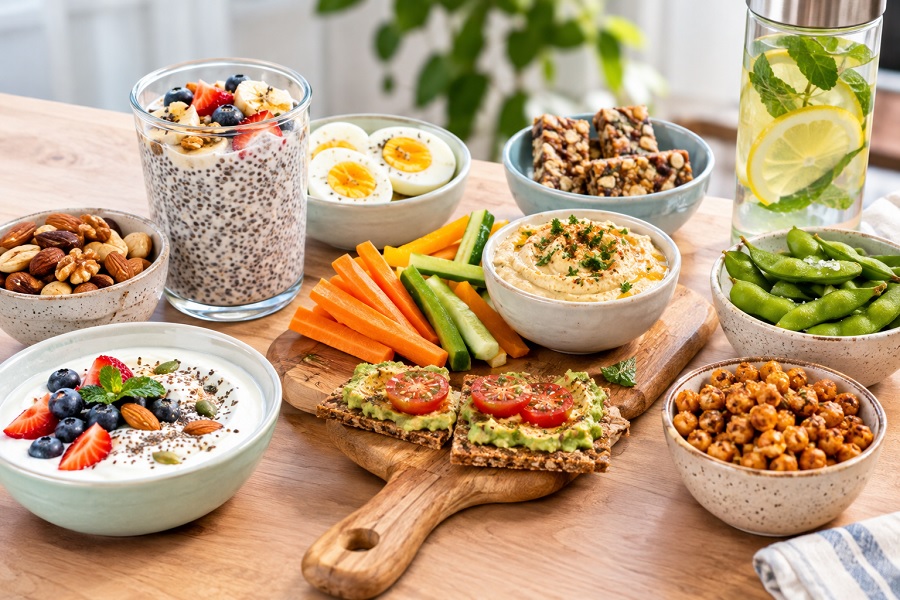
A smart snack does not have to be complicated. Simple foods such as unsalted nuts, roasted chickpeas, plain yogurt, boiled eggs, sprouts, fresh fruit and vegetables can be convenient choices. The World Health Organization recommends limiting free sugars and choosing a variety of nutritious foods, including fruits, vegetables, legumes, whole grains and protein sources.
What Is a Low-Sugar, High-Protein Snack?
A low-sugar, high-protein snack is a food or combination of foods that provides protein without a large amount of added or free sugar.
Protein is an essential nutrient that contributes to the maintenance of muscles and other body functions. Good sources include pulses, beans, dairy products, eggs, nuts, seeds and other protein-rich foods.
Low-sugar does not necessarily mean completely sugar-free. Fresh fruits, milk and plain dairy products naturally contain sugars. The main focus should be on limiting added and free sugars, particularly those found in sweets, sugary drinks and many packaged snacks.
Why Choose Healthy Snacks?
Choosing nutrient-rich snacks can help add important foods to the daily diet. A balanced snack can also be more satisfying than a snack dominated by refined carbohydrates or added sugar.
Healthy snacking can help you:
Add protein and fibre to your diet
Include more fruits and vegetables
Reduce dependence on sugary snacks
Make better use of nutrient-rich foods
Maintain variety in your everyday meals
Create convenient options for busy schedules
USDA MyPlate suggests combining food groups when building a satisfying snack, such as yogurt with berries, an apple with nut butter, or vegetables with hummus.
15 Healthy Low-Sugar and High-Protein Snack Ideas
1. Roasted Chana
Roasted chickpeas are a convenient Indian snack that provides plant-based protein and fibre. Choose lightly salted or unsalted versions when possible.
2. Plain Greek Yogurt With Berries
Plain yogurt can provide protein, while berries add natural sweetness and nutrients. Avoid heavily sweetened flavored yogurt if you are trying to reduce added sugar.
3. Sprouts Chaat
Mix sprouted moong with cucumber, tomato, coriander and lemon juice. Keep added salt moderate for a nutritious snack.
4. Boiled Eggs
Boiled eggs are a simple protein-rich snack. Pair them with cucumber, tomato or other fresh vegetables.
5. Apple With Unsweetened Nut Butter
An apple paired with a small amount of unsweetened peanut or almond butter combines fruit with protein and healthy fats.
6. Paneer Cubes
Small portions of paneer can provide protein. Add cucumber, tomato and herbs for a simple savory snack.
7. Roasted Makhana
Lightly roasted makhana can be used as an alternative to many packaged salty snacks. Keep added salt and oil moderate.
8. Hummus With Vegetables
Carrot, cucumber and bell-pepper sticks can be served with hummus. This combines vegetables with a pulse-based protein source.
9. Unsalted Nuts and Seeds
Almonds, walnuts, pumpkin seeds and sunflower seeds can be convenient choices. Because nuts and seeds are energy-dense, portion size matters.
10. Moong Chilla
A small moong dal chilla can make a filling savory snack. Serve it with plain yogurt or fresh vegetable chutney.
11. Cottage Cheese With Vegetables
Cottage cheese or paneer can be paired with tomatoes, cucumber and herbs for a quick protein-focused snack.
12. Chana and Vegetable Salad
Combine boiled chickpeas with cucumber, tomato, onion, coriander and lemon. This provides protein and fibre from a simple combination of whole foods.
13. Unsweetened Yogurt With Seeds
Plain yogurt topped with chia or pumpkin seeds can provide protein, fibre and healthy fats without requiring added sugar.
14. Peanut and Vegetable Snack
A small portion of unsweetened roasted peanuts with fresh vegetables can be an easy snack option.
15. Fruit and a Protein Food
Instead of eating fruit alone, pair it with plain yogurt, nuts, seeds or another suitable protein source. This creates a more balanced snack.
How to Reduce Sugar in Snacks
One of the easiest ways to reduce sugar intake is to replace sugary snacks and beverages with whole foods. WHO recommends limiting free sugars to less than 10% of total daily energy intake, with a further reduction to below 5% potentially providing additional health benefits.
Try these simple changes:
Replace sweetened yogurt with plain yogurt
Choose whole fruit instead of sugary fruit drinks
Avoid regular soft drinks and other sugar-sweetened beverages
Select unsweetened nuts and seeds
Check packaged-food labels for added sugars
Choose homemade snacks when practical
Limit cookies, cakes, sweets and highly processed snack foods
WHO also recommends choosing fresh fruit rather than sweet snacks such as cookies, cakes and chocolate.
How to Add More Protein to Snacks
Protein can come from both plant and animal sources. Depending on dietary preferences, useful options include:
Vegetarian options:
Moong dal
Chana
Rajma
Sprouts
Paneer
Plain yogurt
Milk
Peanuts
Almonds
Seeds
Non-vegetarian options:
Boiled eggs
Chicken
Fish
Other lean protein foods
For most people, protein should be part of an overall balanced diet rather than consumed in excessive amounts. WHO notes that protein requirements vary according to age, activity and individual circumstances.
Healthy Indian Snack Combinations
Indian foods can easily be adapted into nutritious snack combinations.
Some options include:
Sprouts + cucumber + tomato
Roasted chana + unsweetened tea
Moong chilla + plain yogurt
Boiled egg + vegetable salad
Paneer + cucumber
Chana salad + lemon
Makhana + a small portion of nuts
Plain curd + seeds
Apple + unsweetened peanut butter
Roasted peanuts + fresh vegetables
What to Check on Packaged Snack Labels
Packaged snacks can sometimes appear healthy while containing considerable amounts of sugar, sodium or saturated fat. MyPlate recommends choosing snacks that are nutrient-rich and limited in added sugars, saturated fat and sodium.
When buying packaged snacks, compare:
Added sugar
Total sugar
Protein
Fibre
Sodium
Saturated fat
Serving size
Ingredient list
Do not rely only on claims such as "high protein" or "healthy" on the front of a package. Checking the nutrition information gives a clearer picture.
Healthy Snacking for Different Times of Day
Morning Snack
Try plain yogurt with fruit, boiled eggs, sprouts or roasted chana.
Afternoon Snack
Choose a vegetable-and-hummus combination, chana salad, paneer or nuts and seeds.
Evening Snack
Instead of biscuits or fried snacks, consider roasted makhana, moong chilla, boiled eggs or sprouts.
Post-Exercise Snack
A combination containing protein and nutrient-rich carbohydrates may be suitable after physical activity. Individual requirements depend on the type and intensity of exercise.
Tips for Better Snacking Habits
Keep healthy snacks easily accessible.
Prepare vegetables and fruits in advance.
Portion nuts and seeds instead of eating directly from a large packet.
Choose water instead of sugary drinks.
Include protein in snacks when it suits your overall diet.
Prefer minimally processed foods more often.
Read nutrition labels on packaged foods.
Keep added sugar and excess salt under control.
Add variety rather than relying on one snack every day.
Pay attention to hunger and fullness cues.
Preparing snacks in advance can also make healthier choices easier. MyPlate recommends portioning snack foods into reusable containers so they are convenient to grab when needed.
Final Thoughts
Healthy snacking is less about eliminating snacks and more about choosing better combinations. Low-sugar, protein-rich options such as roasted chana, sprouts, plain yogurt, eggs, paneer, nuts, seeds and hummus can fit into a balanced eating pattern.
The best snack will depend on individual nutritional needs, dietary preferences, activity levels and overall meals. A varied diet containing fruits, vegetables, legumes, whole grains and suitable protein sources remains the foundation of healthy eating.
Source :- OhWomen