

Follow us Now on Telegram ! Get daily 10 - 12 Interesting Updates. Join our Telegram Channel https://t.me/OhWomen
Download Telegram App before Joining the Channel
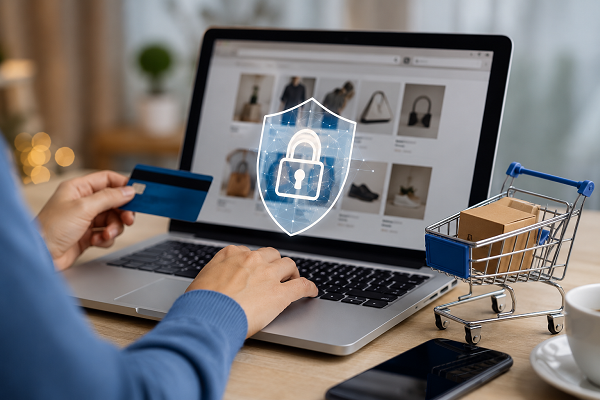
Online shopping has transformed the way we buy everything from groceries and clothing to electronics and furniture. With just a few clicks, millions of products are available at our fingertips. However, the convenience of online shopping also comes with risks such as phishing scams, fake websites, identity theft, and payment fraud. Understanding how to shop safely online is essential for protecting your personal and financial information.
Choose Trusted Shopping Websites
Always shop from reputable e-commerce platforms and well-known retailers. Before making a purchase, verify the website's URL to ensure it begins with https:// and displays a padlock icon in the browser. Avoid purchasing from websites with poor reviews or suspiciously low prices that seem too good to be true.
Use Strong and Unique Passwords
Create strong passwords for your shopping accounts using a combination of uppercase letters, lowercase letters, numbers, and special characters. Avoid using the same password across multiple websites. Consider using a password manager to securely store your login credentials.
Enable Two-Factor Authentication (2FA)
Whenever possible, activate two-factor authentication on your shopping accounts. This adds an extra layer of security by requiring a verification code in addition to your password, making it much harder for unauthorized users to access your account.
Be Cautious with Public Wi-Fi
Avoid making online purchases while connected to public Wi-Fi networks at cafes, airports, or shopping malls. Public networks are often unsecured and can expose your personal information to hackers. Use a secure home network or a trusted VPN when shopping online.
Verify Seller Ratings and Reviews
Before purchasing from third-party sellers, check customer reviews, ratings, and feedback. Genuine reviews can help identify trustworthy sellers and avoid counterfeit or low-quality products.
Use Secure Payment Methods
Credit cards, trusted digital wallets, and secure payment gateways generally provide better fraud protection than direct bank transfers. Avoid sharing sensitive banking information through email, social media, or messaging apps.
Beware of Phishing Emails and Fake Offers
Scammers often send emails or text messages pretending to be from popular shopping websites. Never click suspicious links or download unknown attachments. Instead, visit the retailer's official website directly by typing the address into your browser.
Monitor Your Financial Statements
Regularly review your bank and credit card statements for unauthorized transactions. If you notice any suspicious activity, report it immediately to your bank or card issuer.
Keep Your Devices Updated
Install the latest security updates for your computer, smartphone, and web browser. Updated software helps protect against newly discovered security vulnerabilities and malware.
Understand Return and Refund Policies
Before completing a purchase, read the seller's return, refund, and warranty policies. Knowing your rights can save you from future disputes if the product arrives damaged or does not match the description.
Final Thoughts
Online shopping is convenient, fast, and often cost-effective, but staying vigilant is the key to a safe experience. By shopping only from trusted websites, using secure payment methods, enabling two-factor authentication, and remaining alert to scams, you can significantly reduce the risk of online fraud. Safe shopping habits not only protect your money but also ensure a stress-free and enjoyable online shopping experience.
Source :- Oh Women