
Follow us Now on Telegram ! Get daily 10 - 12 Interesting Updates. Join our Telegram Channel https://t.me/OhWomen
Download Telegram App before Joining the Channel
Ghee Jilebi Recipe for Festive Celebrations
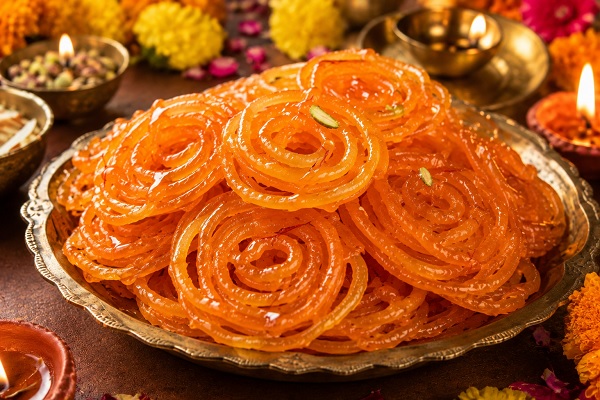
Ghee Jilebi is a traditional Indian sweet loved for its crisp, golden texture, juicy sugar syrup, and rich aroma of ghee. It is especially popular during festivals, family celebrations, weddings, religious occasions, and special gatherings. Making Jilebi with ghee gives the sweet a richer fragrance and a deliciously authentic taste.
Introduction
Jilebi, also known as Jalebi, is prepared by piping fermented or instant batter into hot fat in attractive spiral shapes. The fried spirals are soaked briefly in warm sugar syrup, allowing them to become juicy inside while remaining crisp outside.
For festive occasions, ghee adds a luxurious flavor that makes homemade Jilebi especially delicious. The key to excellent Jilebi is getting the batter consistency, frying temperature, and sugar syrup consistency right.
Ingredients
For the Jilebi Batter
1 cup all-purpose flour (maida)
2 tablespoons corn flour
1 tablespoon yogurt
½ teaspoon baking powder
½ cup water, approximately
1 teaspoon lemon juice
A small pinch of turmeric or saffron food color, optional
For Frying
½ cup ghee
½ cup neutral cooking oil
Using a combination of ghee and oil can make frying easier while maintaining the characteristic ghee aroma.
For Sugar Syrup
1½ cups sugar
¾ cup water
4–5 saffron strands
½ teaspoon cardamom powder
1 teaspoon lemon juice
For Garnishing
Chopped pistachios
Chopped almonds
Saffron strands
A few dried rose petals, optional
How to Make Ghee Jilebi
Step 1: Prepare the Batter
Add maida, corn flour, yogurt, and baking powder to a mixing bowl. Gradually add water and whisk until you get a smooth, thick batter without lumps.
The batter should be slightly thicker than dosa batter. It should flow continuously when squeezed through a piping bottle but should not spread immediately when dropped into hot ghee.
Cover the batter and let it rest for approximately 30–60 minutes. For a more traditional fermented version, the batter can be rested longer.
Step 2: Prepare the Sugar Syrup
Add sugar and water to a saucepan. Heat until the sugar dissolves completely.
Continue cooking until the syrup reaches approximately one-string consistency. Add saffron and cardamom powder for fragrance.
Add lemon juice near the end to help reduce crystallization. Keep the syrup warm rather than boiling vigorously while frying the Jilebi.
Step 3: Heat the Ghee
Heat ghee in a wide, shallow pan over medium heat. A combination of ghee and neutral oil can also be used.
The fat should be hot enough for the batter to set and hold its spiral shape, but it should not be smoking.
Step 4: Pipe the Jilebi
Transfer the batter into a piping bottle, squeeze bottle, or traditional cloth piping bag.
Carefully pipe small or medium spiral shapes directly into the hot ghee. Start from the center and move outward in a circular motion.
Avoid making the spirals too thick because thick Jilebi may not become properly crisp.
Step 5: Fry Until Golden
Fry the Jilebi over medium heat until both sides become golden and crisp.
Turn them gently when necessary so they cook evenly. Maintaining moderate heat is important because excessively high heat can brown the outside quickly while leaving the inside undercooked.
Step 6: Soak in Sugar Syrup
Remove the crispy Jilebi from the ghee and immediately place them into the warm sugar syrup.
Allow them to soak for approximately 20–40 seconds. Do not leave them submerged for too long if you want a crisp exterior.
Remove the soaked Jilebi and place them on a serving plate or wire rack.
Tips for Perfect Ghee Jilebi
Keep the batter smooth and lump-free.
Do not make the batter too thin.
Maintain medium heat while frying.
Avoid overcrowding the pan.
Keep the sugar syrup warm.
Do not over-soak the fried Jilebi.
Use good-quality ghee for the best aroma.
Add a little lemon juice to the syrup to help prevent crystallization.
Test one Jilebi before frying the entire batch.
Serve soon after preparation for maximum crispiness.
How to Get Crispy Jilebi
The most important factors for crispy Jilebi are batter consistency and frying temperature. A batter that is too thin can produce flat, spreading spirals, while a very thick batter can create heavy Jilebi.
The ghee should remain moderately hot throughout cooking. If the temperature becomes too high, reduce the heat and allow it to stabilize before continuing.
How to Make Juicy Jilebi
For juicy Jilebi, the sugar syrup should have enough concentration to enter the fried spirals without becoming excessively thick. The fried Jilebi should be transferred directly from the hot ghee into warm syrup.
A short soaking time is usually enough to provide a juicy center while preserving some crispness.
Serving Suggestions
Ghee Jilebi can be served warm by itself or paired with:
Rabri
Thickened sweetened milk
Vanilla ice cream
Kulfi
Chopped pistachios and almonds
Saffron milk
Masala chai
Cardamom tea
The combination of warm Jilebi and chilled rabri is particularly popular for festive desserts.
Best Occasions for Ghee Jilebi
Ghee Jilebi is suitable for many celebrations, including:
Diwali
Holi
Navratri celebrations
Janmashtami
Weddings
Birthday celebrations
Family gatherings
Religious functions
Festival parties
Traditional Indian feasts
Storage
Fresh Jilebi tastes best when served immediately. If necessary, store leftover Jilebi in an airtight container at room temperature for a short period.
Reheating briefly can help restore some crispness, although freshly prepared Jilebi generally has the best texture.
Common Mistakes to Avoid
Batter Is Too Thin
Thin batter can spread in the ghee and produce poorly defined spirals. Add a little flour to correct the consistency.
Ghee Is Too Hot
Very hot ghee can burn the Jilebi before the center cooks properly.
Syrup Is Too Thick
Overly thick syrup can crystallize and prevent the Jilebi from absorbing it properly.
Over-Soaking
Leaving Jilebi in syrup for too long can make it excessively soft.
Uneven Spirals
Practice piping consistent circles to achieve evenly cooked Jilebi.
Nutritional Note
Jilebi is a traditional sweet containing flour, sugar, and fat, so it is naturally energy-dense. Portion size is important, especially when enjoying it as part of a larger festive meal. Adding nuts provides additional texture and nutrients, but they also contribute calories.
Conclusion
Ghee Jilebi is a wonderful festive dessert that combines crisp fried spirals with fragrant sugar syrup and the rich aroma of clarified butter. With the right batter consistency, moderate frying temperature, and properly prepared syrup, you can create delicious homemade Jilebi with a traditional sweet-shop-style texture.
Whether served with rabri, garnished with pistachios and saffron, or enjoyed alongside a cup of tea, Ghee Jilebi can bring a classic Indian festive touch to any celebration.
Source :- OhWomen