
Follow us Now on Telegram ! Get daily 10 - 12 Interesting Updates. Join our Telegram Channel https://t.me/OhWomen
Download Telegram App before Joining the Channel
Baby Product Shopping Guide: Essential Products for Smart Parents in 2026
Shopping for a baby can be exciting, but the huge number of products available can also make it confusing. From feeding and sleeping essentials to clothing, hygiene products, travel gear, and nursery items, parents have many choices to consider.
A Baby Product Shopping Guide can help parents focus on useful, age-appropriate, safe, and practical products instead of buying everything they see. The right approach is to prioritize essentials, check product information carefully, and consider how often each item will actually be used.
Introduction
Babies need different products at different stages of growth. A newborn's requirements can be very different from those of a six-month-old or a toddler. Before shopping, parents should consider the baby's age, developmental stage, lifestyle, available space, and family budget.
Rather than choosing products based only on appearance or popularity, look for products that are practical, easy to clean, appropriately sized, and designed with safety in mind.
Essential Baby Products
1. Baby Clothing
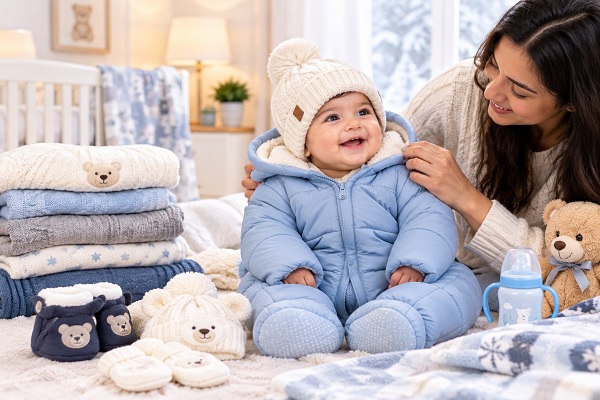
Choose comfortable clothing made from soft, breathable materials. Newborns may need several changes of clothing during the day, so having a practical collection of bodysuits, sleepsuits, socks, and other basic garments can be helpful.
Avoid buying too many clothes in one size because babies can grow quickly.
2. Diapering Products
A basic diapering setup may include:
Disposable or reusable diapers
Changing mat
Baby wipes
Diaper cream
Diaper disposal bags
Clean storage organizers
Choose diapers according to the baby's size and needs. Parents using reusable diapers should also consider washing requirements and drying space.
3. Feeding Essentials
Depending on whether the baby is breastfed, formula-fed, or starting complementary foods, feeding requirements can vary.
Useful products can include:
Feeding bottles
Bottle brushes
Bibs
Burp cloths
Breastfeeding accessories
Bottle sterilizing equipment
Baby bowls and spoons for later stages
Always follow manufacturer instructions for cleaning, sterilizing, preparing, and storing feeding products.
4. Baby Sleeping Products
A safe sleep environment is one of the most important considerations when shopping for baby products. A suitable cot or crib, firm mattress, and fitted sheet can form the basic sleeping setup.
Avoid adding unnecessary soft objects, pillows, loose blankets, bumpers, or toys to the baby's sleep space. Safe-sleep recommendations can vary by country, so parents should follow guidance from their pediatrician and relevant child-safety authorities.
5. Baby Bath and Hygiene Products
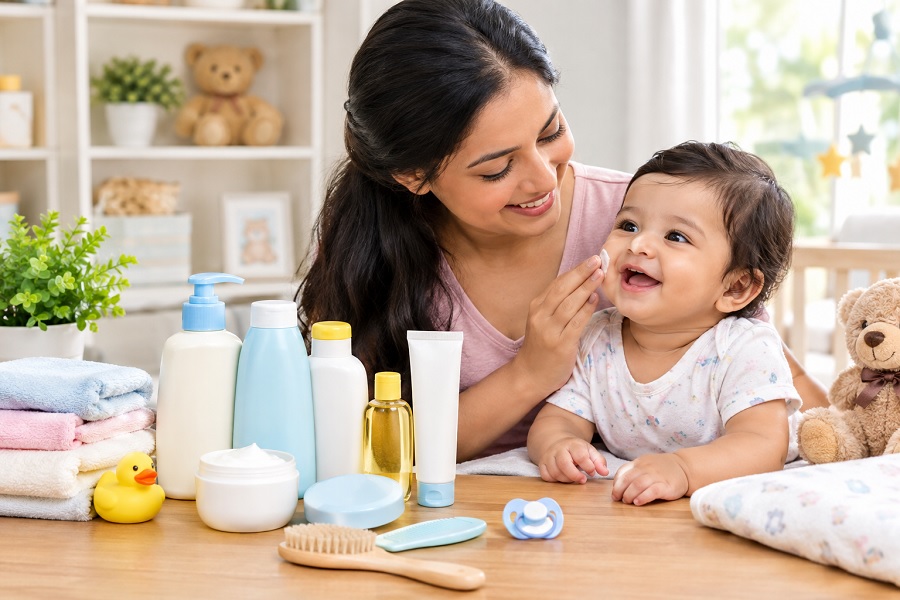
Baby hygiene products should be simple and suitable for the baby's age. Shopping options include:
Baby bathtub
Soft towels
Washcloths
Gentle cleanser
Baby shampoo
Nail-care accessories
Hairbrush
Choose products carefully if the baby has sensitive skin, and discontinue anything that causes irritation.
Baby Travel Products
Parents who travel frequently may find several products useful.
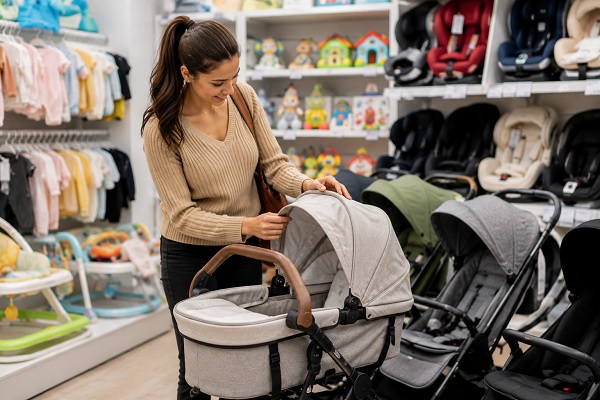
Baby Stroller
A stroller can make outdoor trips and shopping easier. Consider its size, weight, folding mechanism, wheel design, storage capacity, and age suitability.
Baby Carrier
A baby carrier can be convenient when parents need to keep their hands free. It should fit the baby correctly and be used according to the manufacturer's instructions.
Car Seat
For families traveling by car, an appropriate child restraint is an important purchase. Choose a model suitable for the baby's size and age and make sure it can be installed correctly in the vehicle.
Baby Nursery Shopping
A nursery does not need to be filled with expensive furniture. Start with essential items and add products as the baby's needs become clearer.
Useful nursery products may include:
Cot or crib
Mattress
Fitted sheets
Storage baskets
Changing station
Clothing organizer
Night-light
Comfortable chair for feeding
Keeping frequently used items within easy reach can make everyday routines more convenient.
Baby Toys and Developmental Products
Toys should be appropriate for the baby's developmental stage. Simple products such as soft books, rattles, sensory toys, stacking toys, and age-appropriate activity products can provide opportunities for exploration.
Always check age recommendations and inspect toys regularly for broken pieces, loose parts, sharp edges, or other hazards.
How to Choose Baby Products
Check Age and Size Recommendations
Always check whether a product is appropriate for the baby's age, weight, height, or developmental stage.
Prioritize Safety
Safety should come before appearance, brand popularity, or discounts. Check product instructions, warnings, safety certifications where applicable, and recall information.
Look for Easy-to-Clean Materials
Baby products can become messy quickly. Products that are washable, wipeable, and easy to maintain can save parents considerable time.
Consider Long-Term Use
Some products can be used for several stages of a baby's growth. Adjustable furniture, convertible products, and expandable storage can sometimes provide better value.
Avoid Unnecessary Purchases
Marketing can make many baby products look essential when they are not. Create a shopping list before purchasing and prioritize items that will be used regularly.
Online Baby Shopping Tips
Online shopping provides convenience and access to a wide range of products, but parents should research carefully before ordering.
Before buying:
Read the complete product description.
Check dimensions and age recommendations.
Look at customer reviews critically.
Check return and replacement policies.
Verify the seller's reputation.
Compare prices across reputable retailers.
Check warranty information when relevant.
Look for current safety or recall information.
Do not rely solely on star ratings. Read both positive and negative reviews to understand potential product limitations.
Baby Product Shopping on a Budget
Baby shopping can become expensive, but thoughtful planning can reduce unnecessary spending.
Consider buying essential products first and adding other items later. For products such as clothing and some nursery accessories, quality second-hand options may sometimes be appropriate, provided they are clean and safe.
However, parents should be especially cautious with used safety-critical products such as car seats because their history, age, damage, or previous accident involvement may be difficult to verify.
Sustainable Baby Shopping
Sustainable shopping is becoming increasingly popular among modern families. Parents can consider reusable products, durable clothing, responsibly sourced materials, and products designed for longer use.
Buying fewer but more useful products can also reduce household waste and save money over time.
Baby Shopping Checklist
Before bringing a new baby product home, consider these questions:
Is it appropriate for the baby's age?
Is the size correct?
Is it easy to clean?
Is it made from suitable materials?
Does it have clear instructions?
Does it meet applicable safety requirements?
Is it genuinely necessary?
Can it be used for a reasonable period?
Is there a reliable return or warranty policy?
Has the product been recalled?
Common Baby Shopping Mistakes
Buying Too Much Newborn Clothing
Babies can quickly outgrow newborn sizes. Purchase a practical quantity and include some larger sizes.
Choosing Products Only for Appearance
A stylish product may look attractive but may not be practical for everyday use. Functionality should come first.
Ignoring Maintenance
Products that are difficult to wash or assemble can become frustrating when used frequently.
Buying Without Checking Measurements
Always check dimensions, particularly for cribs, strollers, high chairs, storage furniture, and car seats.
Forgetting the Family's Lifestyle
A family living in a small apartment may have different needs from a family with a large home or frequent travel requirements.
Latest Baby Shopping Trends in 2026
Baby shopping is increasingly focused on practicality, sustainability, personalization, multifunctional products, and technology-assisted parenting. Parents are also showing greater interest in products that save space and can adapt as children grow.
At the same time, traditional essentials remain important. Comfortable clothing, safe sleeping products, feeding supplies, hygiene items, and reliable travel equipment continue to form the foundation of a practical baby-shopping list.
Conclusion
A Baby Product Shopping Guide can make preparing for a baby much easier by helping parents separate essential products from optional purchases. The best shopping strategy is to focus on safety, comfort, practicality, durability, and age suitability.
Instead of filling the home with products before the baby arrives, start with the essentials and gradually purchase additional items as the baby's needs develop. Careful research and thoughtful planning can make baby shopping more affordable, organized, and stress-free.
Source :- Oh Women