
Follow us Now on Telegram ! Get daily 10 - 12 Interesting Updates. Join our Telegram Channel https://t.me/OhWomen
Download Telegram App before Joining the Channel
Only a few days remain until International Yoga Day (June 21). In light of this, the Ministry of AYUSH (Ayurveda, Yoga & Naturopathy, Unani, Siddha, and Homoeopathy) under the Government of India is continuously sharing new information to encourage people to embrace yoga. The Ministry has provided details regarding specific yoga postures (asanas) tailored for individuals suffering from epilepsy.
Regular practice of these postures helps calm the nervous system, reduces stress, and may lower the likelihood of seizures. According to the Ministry of AYUSH, epilepsy is a condition characterized by disturbances in the brain's electrical activity. Alongside medication, the practice of yoga can prove highly beneficial in managing this condition. Yoga helps maintain a balance between both the body and the mind, thereby improving the quality of life for patients.
The Ministry has advised that epilepsy can be managed more effectively by incorporating these specific postures into one's daily routine. Furthermore, it has appealed to the public to make yoga an integral part of their lives. Yoga is crucial not only for physical health but also for mental well-being. Regular yoga practice can not only help reduce the frequency of epileptic seizures but also generally improve overall health. The key yoga postures recommended by the Ministry include Uttanpadasana, Bhramari Pranayama, Tadasana, Ardha Matsyendrasana, and Vajrasana.
Uttanpadasana: In this posture, one lies down and lifts their legs upward. This asana strengthens the abdominal muscles and enhances the flexibility of the spine. It helps alleviate stress and promotes sound sleep.
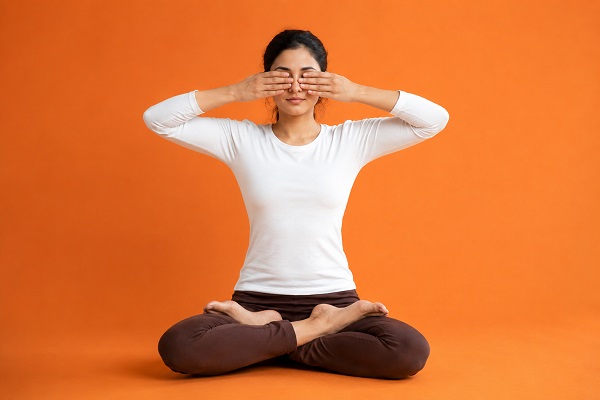
Bhramari Pranayama: In this breathing exercise (pranayama), one exhales while keeping the eyes closed and producing a humming sound resembling the syllable 'M'. It calms the brain and helps relieve anxiety and stress. It is considered highly beneficial for patients suffering from epilepsy.
Tadasana: This exercise is performed while standing and stretching the entire body upward. This asana improves concentration, corrects posture, and facilitates the flow of energy throughout the entire body.
Ardha Matsyendrasana: This twisting posture helps strengthen the lower back and the spine. It also maintains the health of the digestive system and balances the nervous system.
Vajrasana: This pose, which can be performed even after meals, improves digestion and keeps the mind calm.
Bhujangasana: Resembling the posture of a snake, this pose opens up the chest and lungs while boosting energy levels.
Yoga experts advise that these poses should be practiced correctly and gradually. Initially, it is best to perform them under the supervision of a yoga expert—particularly for individuals suffering from epilepsy.
Source : - IANS