
Follow us Now on Telegram ! Get daily 10 - 12 Interesting Updates. Join our Telegram Channel https://t.me/OhWomen
Download Telegram App before Joining the Channel
Generation Z is changing the way people discover, evaluate, and purchase products. Born into a highly connected digital environment, Gen Z shoppers are comfortable using smartphones, social media, online marketplaces, creator content, and new technologies as part of their everyday shopping journey.
In 2026, social media has become particularly important in Gen Z shopping. McKinsey's 2026 consumer research identifies social media as Gen Z's most important channel for both brand discovery and purchasing, although young consumers remain cautious about trusting social platforms and AI-generated recommendations.
Social Media Is Becoming a Shopping Destination
One of the biggest Gen Z shopping trends is the movement from scrolling to purchasing. Instead of searching for a product directly on a traditional shopping website, consumers may discover it through a short video, creator recommendation, review, or viral post.
Research also shows that platforms such as Instagram and TikTok play a significant role in product discovery and purchase intentions among Gen Z consumers.
This has encouraged brands to create more engaging videos, tutorials, product demonstrations, reviews, and behind-the-scenes content.
Influencers and Creators Influence Buying Decisions
Gen Z often looks for relatable opinions before purchasing a product. Creators can demonstrate how a product looks, works, or fits into everyday life, making their recommendations feel more personal than traditional advertising.
User-generated content is particularly important because shoppers can see how products are experienced by real customers rather than relying only on professionally produced advertisements. Recent research has found that both brand-generated and user-generated content can positively influence Gen Z purchase intentions.
Mobile-First Shopping Is Growing
Smartphones are central to Gen Z's shopping habits. Product research, price comparisons, reviews, payments, order tracking, and customer service can all happen through a mobile device.
For retailers, this means mobile websites and shopping apps need to be fast, easy to navigate, and simple to use. Complicated checkout processes or unclear delivery and return information can discourage potential buyers.
Convenience Matters
Gen Z expects shopping to be convenient. Easy checkout, quick delivery, simple returns, accurate product information, and seamless movement between online and physical stores are increasingly important.
Research on retail experiences in India found that convenience, personalization, and sustainability all have positive relationships with purchase intention among Gen Z and Millennials, with convenience showing the strongest effect in that study.
Personalization Is Becoming More Important
Gen Z shoppers are accustomed to personalized digital experiences. Shopping platforms can recommend products based on browsing history, previous purchases, preferences, and interactions.
Personalized products are also attractive because they allow consumers to express individuality. Customized accessories, beauty products, clothing, and gifts can make a shopping experience feel more unique.
Gen Z Wants Authentic Brands
Traditional advertising alone may not be enough to build loyalty among younger shoppers. Gen Z increasingly values authenticity, transparency, and relatable communication.
Brands that show their people, processes, stories, and values can create stronger connections. Recent reporting on Gen Z shopping in India highlights authenticity, value, personal meaning, niche brands, and real experiences as important factors in purchasing decisions.
Sustainability Influences Shopping Choices
Sustainability is another important part of the Gen Z shopping conversation. Young consumers are increasingly interested in products made using environmentally responsible materials and ethical production practices.
Second-hand shopping, resale platforms, recycled materials, sustainable fashion, and reusable products are gaining attention. However, interest in sustainability does not mean every Gen Z shopper will automatically choose the most expensive eco-friendly option. Price, quality, convenience, and trust still matter.
Research published in 2026 also highlights the gap that can exist between Gen Z's sustainability intentions and their actual purchasing behavior.
Resale and Second-Hand Shopping
Second-hand shopping is becoming an attractive option for younger consumers because it can combine affordability, individuality, and sustainability.
Vintage clothing, pre-owned accessories, refurbished electronics, and resale marketplaces allow shoppers to find distinctive products while potentially spending less. This supports the broader movement toward a circular shopping economy.
AI Is Changing Product Discovery
Artificial intelligence is becoming part of the shopping journey. AI-powered recommendations, virtual assistants, personalized searches, and product comparisons can help shoppers narrow down choices.
In India, the e-commerce journey is increasingly moving toward a combination of AI, short-form video, creators, and conversational messaging.
However, trust remains important. Gen Z may use AI extensively while still questioning whether recommendations are accurate, authentic, or influenced by commercial interests.
Short-Form Videos Drive Product Discovery
Short-form videos have become a powerful way to introduce products. A fashion video can demonstrate an outfit, a beauty creator can show a makeup routine, and a technology creator can review a gadget within a few minutes.
This format allows shoppers to see products in real-life situations before deciding whether to purchase them.
Reviews Still Matter
Despite the popularity of influencers and social media, Gen Z shoppers do not necessarily accept every recommendation automatically. Reviews, ratings, comments, comparison videos, and customer experiences can help them verify whether a product is worth buying.
This creates an important balance: social media may generate interest, but trust can determine the purchase.
Value for Money Is Important
Gen Z is also becoming more careful about spending. Rising living costs and financial pressures encourage many young consumers to compare prices, search for discounts, and look for products that provide good value.
This does not necessarily mean buying the cheapest product. Instead, shoppers may evaluate quality, durability, features, reviews, brand reputation, and price together.
Omnichannel Shopping Is Growing
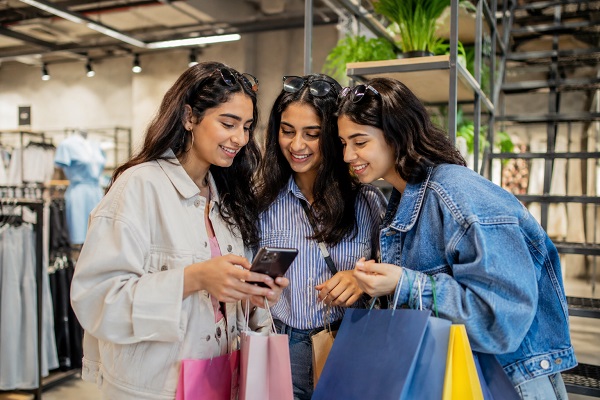
Although Gen Z is strongly associated with online shopping, physical stores have not disappeared. Instead, young shoppers often combine digital and physical experiences.
They may discover a product online, check reviews on their phone, visit a store to see it in person, compare prices, and then purchase through an app or website.
This combination of online and offline shopping is becoming an important part of modern retail.
What Gen Z Expects From Brands
Brands hoping to attract Gen Z shoppers should focus on several key areas:
Authentic and relatable communication
Mobile-friendly shopping experiences
Transparent pricing
Easy returns
Fast and convenient delivery
Useful customer reviews
Creator and user-generated content
Personalized recommendations
Sustainable practices
Clear product information
Strong customer service
Meaningful brand values
Social commerce research for 2026 similarly highlights short-form video, creator content, user-generated content, reviews, conversational commerce, and AI-assisted engagement as major developments.
The Future of Gen Z Shopping
The future of Gen Z shopping will likely be increasingly connected to social media, mobile technology, artificial intelligence, personalization, and creator-led discovery. At the same time, convenience, price, authenticity, and trust will remain essential.
For brands, the lesson is simple: Gen Z does not just want to buy a product. They want an easy, engaging, trustworthy shopping experience that fits their lifestyle and reflects their individuality.
As Gen Z's purchasing power continues to grow, its preferences will increasingly influence fashion, beauty, electronics, food, travel, home products, and the wider retail industry.
Conclusion
Gen Z is redefining shopping by combining digital convenience with personal expression and value-conscious decision-making. Social media, creators, AI, mobile shopping, sustainability, personalization, and resale are among the trends shaping this generation's purchasing behavior.
For retailers and brands, understanding these trends is essential. The successful shopping experience of the future will not simply be about putting products online—it will be about creating authentic, convenient, personalized, and trustworthy experiences across every stage of the customer journey.
Source :- Oh Women