
Follow us Now on Telegram ! Get daily 10 - 12 Interesting Updates. Join our Telegram Channel https://t.me/OhWomen
Download Telegram App before Joining the Channel
Hydration Tips for Active Lifestyles: A Simple Guide to Staying Well Hydrated
Staying hydrated is an important part of maintaining an active lifestyle. Whether you enjoy walking, running, cycling, gym workouts, sports, yoga, or outdoor activities, your body needs enough fluids to support normal functions and replace water lost through sweating.
Good hydration is not simply about drinking a large amount of water at one time. It is about maintaining sensible fluid intake throughout the day and paying attention to factors such as exercise duration, weather, sweating, and individual needs.
Why Hydration Matters During Exercise
Water plays several important roles in the body. It helps regulate body temperature, supports normal circulation, lubricates joints, and helps maintain normal physical functions.
During exercise, the body produces heat and may lose fluid through sweat. In hot or humid conditions, fluid loss can be greater. Replacing these fluids helps support normal hydration during and after physical activity.
1. Start the Day With Fluids
Hydration begins before your workout.
Drinking water throughout the morning can help establish good hydration habits. Instead of waiting until you feel very thirsty, make regular fluid intake part of your daily routine.
A glass of water with breakfast is a simple way to begin the day.
2. Drink Before Exercise
Try to begin exercise adequately hydrated. Have fluids with meals and during the hours leading up to your workout.
The amount you need depends on factors such as your body size, climate, exercise intensity, and individual sweat rate. There is no single amount that works for everyone.
3. Keep Water Available
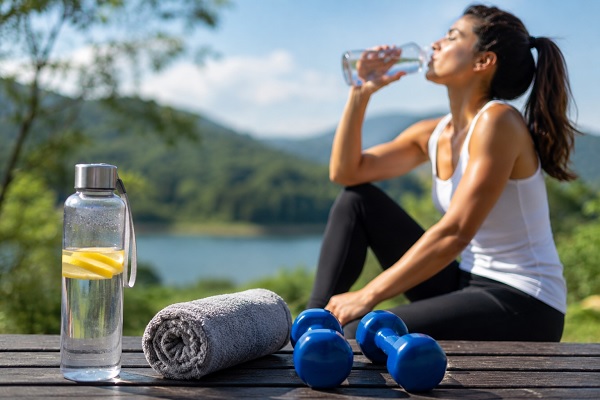
Keeping a reusable water bottle nearby can make it easier to drink regularly.
Take your bottle to:
The gym
Work
School
Walking sessions
Cycling trips
Sports activities
Outdoor events
Travel
Having water readily available can encourage consistent hydration throughout the day.
4. Drink During Exercise
For shorter, lower-intensity activities, water is generally a practical choice.
During longer or more intense exercise, particularly in hot weather, fluid needs may increase. Drink according to your thirst and activity conditions rather than forcing excessive amounts of water.
5. Pay Attention to Hot Weather
Heat and humidity can increase sweating. Outdoor exercisers should consider the weather before starting a workout.
On particularly hot days:
Exercise during cooler parts of the day
Carry sufficient fluids
Take regular breaks
Wear lightweight clothing
Choose shaded routes when possible
Reduce exercise intensity if necessary
6. Replace Fluids After Exercise
Hydration should continue after your workout.
Drinking water with your post-exercise meal or snack can help replace fluids lost during physical activity. If you have had a long or particularly sweaty workout, your fluid and electrolyte needs may be higher.
7. Understand Electrolytes
Sweat contains electrolytes, including sodium and other minerals. During prolonged or intense exercise, especially in hot conditions, electrolyte replacement may become useful.
Sports drinks can provide fluids and electrolytes, but they may also contain significant amounts of added sugar. For many everyday workouts, plain water is sufficient.
8. Eat Water-Rich Foods
Hydration does not come only from beverages. Many foods contain significant amounts of water.
Examples include:
Watermelon
Cucumber
Oranges
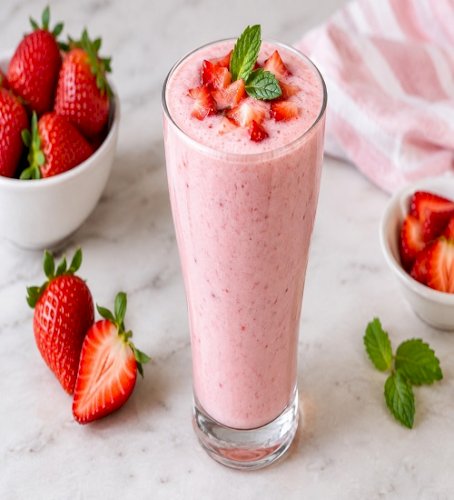
Strawberries
Melons
Tomatoes
Lettuce
Soups
Yogurt
Including a variety of fruits and vegetables in your diet can contribute to overall fluid intake.
9. Limit Excessive Sugary Drinks
Sweetened soft drinks and other sugary beverages can add substantial calories without necessarily being the best everyday hydration choice.
Water, unsweetened beverages, and water-rich foods can be useful choices for maintaining regular hydration.
10. Be Careful With Excessive Caffeine
Coffee and tea can contribute to overall fluid intake, but heavily caffeinated beverages may not be ideal as the only source of fluids.
If you regularly consume coffee, tea, or other caffeinated drinks, include water and other suitable fluids throughout the day as well.
11. Hydration During Long Workouts
Long-duration activities require greater attention to fluid replacement.
Examples include:
Long-distance running
Cycling
Hiking
Trekking
Extended sports sessions
Outdoor endurance activities
For prolonged exercise, consider the duration, temperature, humidity, sweat rate, and access to fluids when planning your hydration strategy.
12. Monitor Your Body's Signals
Thirst is one useful signal that your body needs fluids. Other signs of inadequate hydration can include a dry mouth, fatigue, headache, or darker-than-usual urine.
However, these signs can have other causes too, so they should not be used as a medical diagnosis.
Urine color can provide a rough indication of hydration status, but it is affected by foods, supplements, medications, and other factors.
13. Avoid Overhydration
More water is not always better.
Drinking excessive amounts of water, especially rapidly during prolonged exercise, can dilute sodium levels in the blood and lead to a potentially serious condition called exercise-associated hyponatremia.
Avoid forcing large quantities of water when you are not thirsty. During prolonged exercise, follow an individualized hydration plan when appropriate.
14. Choose the Right Bottle
A reusable bottle can make hydration easier and reduce reliance on disposable plastic bottles.
Choose a bottle that is:
Easy to carry
Leak-resistant
Easy to clean
Suitable for your activity
Large enough for your expected needs
For cycling, hiking, or running, a lightweight bottle or hydration system may be more convenient.
15. Hydration for Different Activities
Walking
For everyday walking, regular water intake throughout the day is usually sufficient. Carry water for longer walks, particularly in warm weather.
Running
Short runs may require little additional fluid beyond normal daily intake. Longer runs require more careful planning based on conditions and individual sweat loss.
Cycling
Cyclists should plan access to fluids, particularly on longer outdoor rides.
Gym Workouts
Keep water available and drink according to thirst during normal gym sessions.
Hiking
Carry enough fluids for the route and check whether reliable water sources are available. In hot conditions, plan carefully because fluid requirements can increase.
16. Hydration for Outdoor Activities
Outdoor activities expose the body to changing environmental conditions.
Before heading outdoors, check the weather and consider:
Temperature
Humidity
Exercise duration
Sun exposure
Availability of drinking water
Intensity of activity
Personal sweating patterns
Planning ahead is particularly important for hiking, trekking, cycling, and outdoor sports.
17. Make Hydration a Daily Habit
You do not need to wait until exercise time to think about hydration.
Simple habits include:
Drinking water with meals
Carrying a reusable bottle
Drinking after waking
Keeping water at your desk
Choosing water with meals
Drinking after outdoor activities
Eating fruits and vegetables regularly
Small, consistent habits are often easier to maintain than complicated hydration routines.
18. Hydration and Recovery
After exercise, the body needs time to recover. Fluids are one part of a broader recovery routine that also includes adequate food, rest, sleep, and appropriate recovery time.
After a long or sweaty workout, replacing lost fluids and electrolytes may be particularly important.
19. Hydration and Travel
Active travelers should pay special attention to hydration when visiting hot or unfamiliar environments.
Carry drinking water when appropriate, especially during sightseeing, hiking, beach activities, and outdoor tours. When traveling internationally, follow local guidance regarding drinking-water safety.
20. Listen to Your Individual Needs
Hydration requirements vary considerably. Body size, exercise intensity, climate, sweat rate, diet, health status, and medications can all affect fluid needs.
Instead of following a rigid hydration target, consider your activity and environment and adjust your intake accordingly.
Common Hydration Mistakes
Some common mistakes include:
Waiting until extreme thirst to drink
Ignoring hot weather
Forgetting to carry water
Drinking excessive water rapidly
Relying heavily on sugary beverages
Not replacing fluids after prolonged exercise
Ignoring signs of possible dehydration
Using a one-size-fits-all hydration plan
Conclusion
Hydration is a fundamental part of an active lifestyle. Regular fluid intake, sensible drinking during exercise, replacing fluids afterward, and adjusting habits for heat and prolonged activity can help support normal physical performance and overall well-being.
The most effective approach is simple: drink regularly, pay attention to thirst and environmental conditions, carry water when appropriate, and avoid both dehydration and excessive fluid intake.
People with medical conditions affecting fluid or electrolyte balance, or those taking medications that affect hydration, should follow advice from their healthcare professional rather than using a general hydration plan.
Source :- Oh Women