
Follow us Now on Telegram ! Get daily 10 - 12 Interesting Updates. Join our Telegram Channel https://t.me/OhWomen
Download Telegram App before Joining the Channel
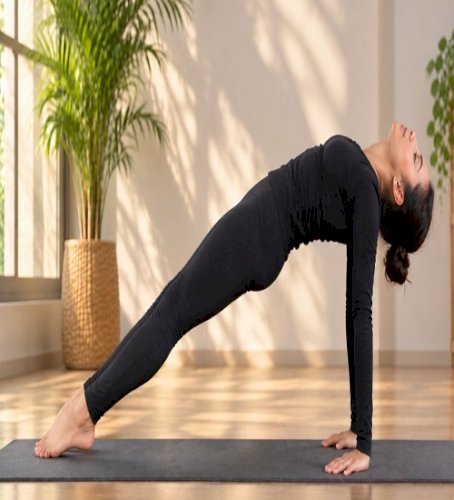
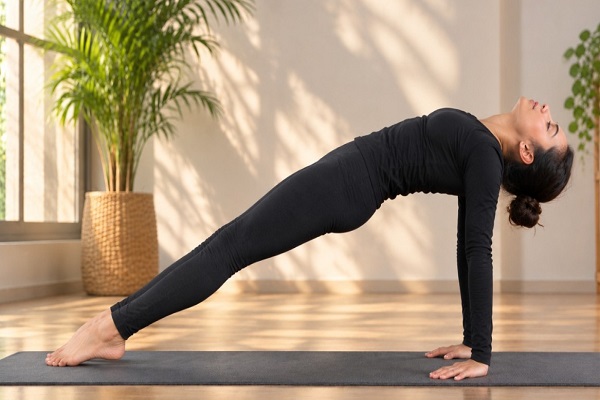
In today's fast-paced life, sitting for hours, poor posture, and stress can cause the body to become stiff. Among the various yoga asanas, Purvottanasana stretches the front of the body while strengthening the back.
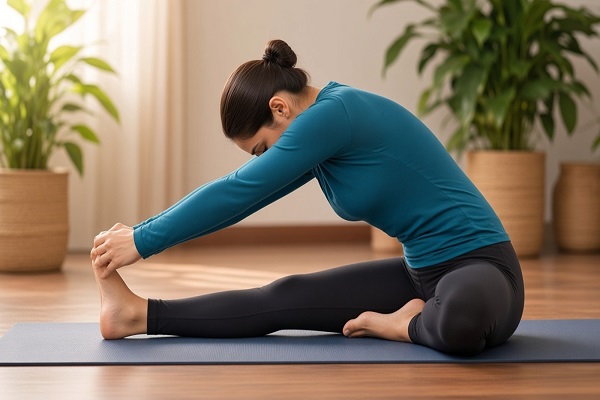
The term 'Purvottanasana' originates from three Sanskrit words: 'Purva' (meaning the front of the body or the east), 'Uttana' (intense stretch), and 'Asana' (posture). Consequently, it is also known as the 'Intense Stretch of the Front Body' or the 'Upward Plank Pose.' It serves as an excellent counter-pose to balance the effects of seated forward-bending asanas (such as Paschimottanasana).
Also known as the Upward Plank Pose, this asana creates a deep stretch across the front of the body.
According to the Ministry of AYUSH, regular practice of Purvottanasana strengthens the muscles of the arms, legs, and back. It also maintains spinal flexibility and boosts energy flow throughout the body. Additionally, this asana stimulates the thyroid gland.
Purvottanasana is considered highly effective for stimulating the thyroid gland, a benefit attributed to the positioning of the neck and throat during the pose. As the neck tilts backward, blood circulation around the thyroid gland intensifies; the resulting increase in oxygen and nutrient supply helps the gland function more actively and in a balanced manner.
This asana also provides a complete workout for the legs and hips. During Purvottanasana, the legs are kept straight with the heels pressed firmly against the ground. This action creates an intense stretch and builds strength in the calves, as well as the front and back of the thighs. This asana relieves stiffness in the legs caused by sitting all day and increases leg strength.
To keep the hips lifted, the glutes (buttock muscles) must be fully engaged. This tones the hips, alleviates stiffness in the hip joints, and supports the lower back. The pose stretches the hip flexors, which tend to become tight from prolonged sitting. Regular practice fosters stability in the legs, flexibility in the hips, and strength throughout the lower body.
If you are new to yoga, be sure to warm up by rotating your wrists before attempting this asana. Avoid letting your head hang back or skip this pose entirely if you have a severe neck or spinal injury (such as a slipped disc).
Source :- IANS