

Follow us Now on Telegram ! Get daily 10 - 12 Interesting Updates. Join our Telegram Channel https://t.me/OhWomen
Download Telegram App before Joining the Channel
In today’s fitness-focused world, you’ve probably heard people talk about “counting macros.” But what exactly are macros, and why are they important? Whether your goal is weight loss, muscle gain, improved energy, or overall wellness, understanding macronutrients — carbohydrates, proteins, and fats — is key to building a balanced and sustainable diet.
Let’s break it down in a simple and practical way.
What Are Macros?
Macros, short for macronutrients, are the nutrients your body needs in large amounts to function properly. They provide energy (calories) and support vital bodily processes. The three primary macronutrients are:
Carbohydrates
Proteins
Fats
Each macro plays a unique and essential role in your health.
Carbohydrates: Your Body’s Main Energy Source
Carbohydrates are often misunderstood, especially in the era of low-carb diets. However, carbs are your body’s preferred source of energy.
What Carbs Do:
Fuel your brain and muscles
Support digestion (fiber)
Help maintain energy levels
Types of Carbohydrates:
Simple Carbs – Sugar, white bread, pastries (quick energy, short-lived)
Complex Carbs – Whole grains, oats, brown rice, fruits, vegetables (slow-release energy)
Calories Per Gram:
1 gram of carbohydrates = 4 calories
Pro Tip: Choose fiber-rich, whole-food carbs to maintain stable blood sugar and sustained energy.
Proteins: The Building Blocks of the Body
Protein is essential for muscle repair, growth, and overall body maintenance. It’s especially important if you exercise regularly.
What Protein Does:
Builds and repairs muscle tissue
Supports immune function
Helps maintain healthy skin, hair, and nails
Promotes satiety (keeps you full longer)
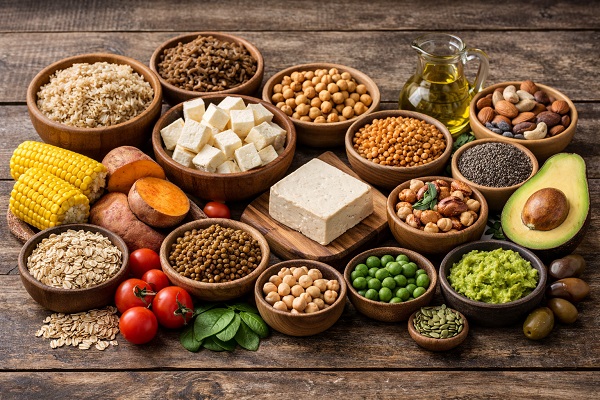
Best Protein Sources:
Eggs
Chicken & fish
Paneer & tofu
Lentils & beans
Greek yogurt
Nuts & seeds
Calories Per Gram:
1 gram of protein = 4 calories
Pro Tip: Include protein in every meal to control hunger and stabilize energy levels.
Fats: Essential for Hormones & Nutrient Absorption
Fats are not the enemy. In fact, healthy fats are crucial for overall health.
What Healthy Fats Do:
Support hormone production
Aid in vitamin absorption (A, D, E, K)
Promote brain health
Provide long-lasting energy
Types of Fats:
Healthy Fats – Avocado, nuts, olive oil, seeds, fatty fish
Unhealthy Fats – Trans fats, highly processed fried foods
Calories Per Gram:
1 gram of fat = 9 calories
Pro Tip: Focus on unsaturated fats and avoid trans fats.
What Is Macro Counting?
Macro counting involves tracking how many grams of carbs, proteins, and fats you consume daily based on your goals.
For example:
Weight Loss: Higher protein, moderate carbs, controlled fats
Muscle Gain: Higher protein and carbs
General Health: Balanced intake of all three
A common balanced macro split looks like:
45–55% Carbs
20–30% Protein
20–30% Fats
However, the ideal ratio varies based on age, activity level, and goals.
Why Understanding Macros Matters
Helps with weight management
Improves energy levels
Supports muscle growth
Prevents nutrient deficiencies
Encourages mindful eating
Instead of labeling foods as “good” or “bad,” understanding macros teaches balance and portion control.
Final Thoughts
Carbs, proteins, and fats each serve a powerful purpose in your body. Rather than eliminating an entire food group, focus on balance, quality, and portion sizes. When you understand your macros, you gain control over your nutrition — and ultimately, your health.
Healthy eating isn’t about restriction. It’s about smart choices and consistency.
Source :- Oh Women