
Follow us Now on Telegram ! Get daily 10 - 12 Interesting Updates. Join our Telegram Channel https://t.me/OhWomen
Download Telegram App before Joining the Channel
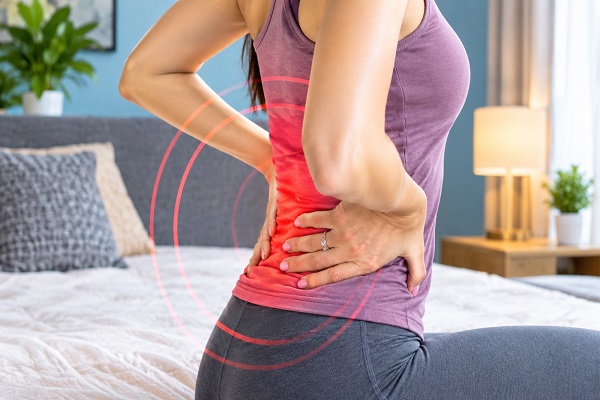
Prolonged sitting, shoulder stiffness, and leg tightness have become common issues. In this context, yoga is not merely about bending the body but serves as a means to connect with oneself. One such yoga practice, *Urdhvamukha Paschimottanasana*, offers a solution to various physical health issues, including relieving body stiffness and improving the digestive system.
The name *Urdhvamukha Paschimottanasana* is derived from three words: *Urdhvamukha* means "upward-facing," *Paschima* refers to the back of the body, and *Uttana* signifies an intense stretch, while *Asana* means a posture.
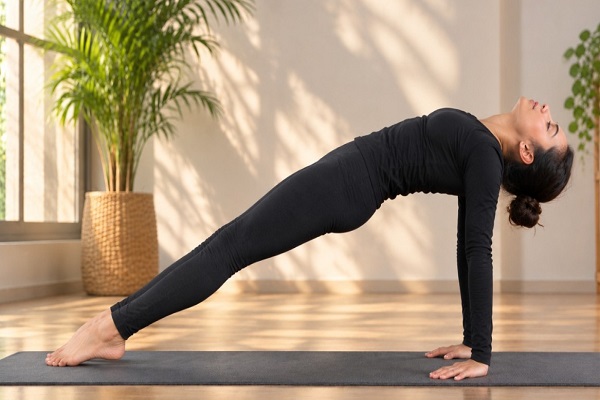
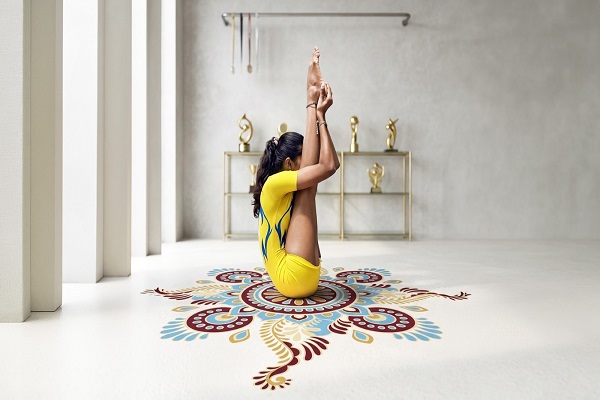
In English, this pose is known as the "Upward-Facing Intense West Stretch." In this posture, you balance while holding your big toes—similar to *Ubhaya Padangusthasana*—and simultaneously lean your torso forward towards your legs. This pose is part of the primary series of Ashtanga Yoga and is considered the next level following *Ubhaya Padangusthasana*.
In the yoga tradition, *Urdhvamukha Paschimottanasana* is an advanced pose that combines elements of *Paschimottanasana* and balancing.
The Ministry of AYUSH, Government of India, has also commented on this pose. According to them, *Urdhvamukha Paschimottanasana* is an advanced yoga posture in which the body is balanced on the sit bones; both legs are extended straight up towards the sky, and the feet are held with the hands. This practice improves core strength, spinal flexibility, and balance.
It is a yoga pose performed by sitting with legs extended straight, leaning forward, and holding the big toes to deeply stretch the spine and the back of the legs.
Regular practice of this pose helps lengthen and increase the flexibility of the hamstrings—the muscles at the back of the thighs—in a passive manner. This is the only yoga pose that simultaneously enhances the flexibility of the back of the body and the strength of the front, ensuring that the flexibility is not limited to a seated position but is maintained even while performing daily activities.
Source :- IANS