
Follow us Now on Telegram ! Get daily 10 - 12 Interesting Updates. Join our Telegram Channel https://t.me/OhWomen
Download Telegram App before Joining the Channel
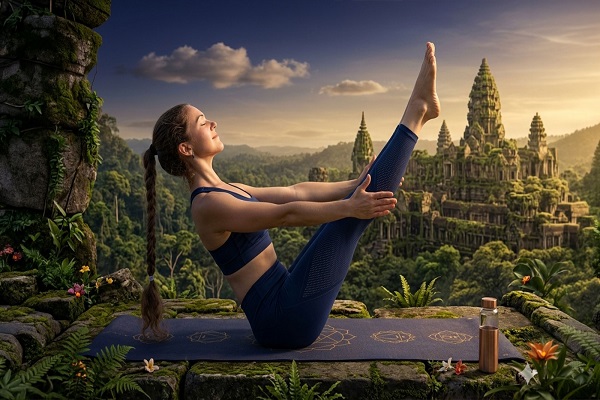
Modern lifestyles, reduced physical activity, and the habit of sitting in one place for hours have significantly impacted our core strength and digestive systems. In this context, 'Nauka Sanchalanasana' (Boat Rowing Pose) serves as a highly effective yoga practice.
'Nauka Sanchalanasana' is a Sanskrit term derived from 'Nauka' (boat), 'Sanchalan' (movement/rowing), and 'Asana' (posture). It is a dynamic pose that strengthens abdominal muscles while infusing the body with renewed energy.
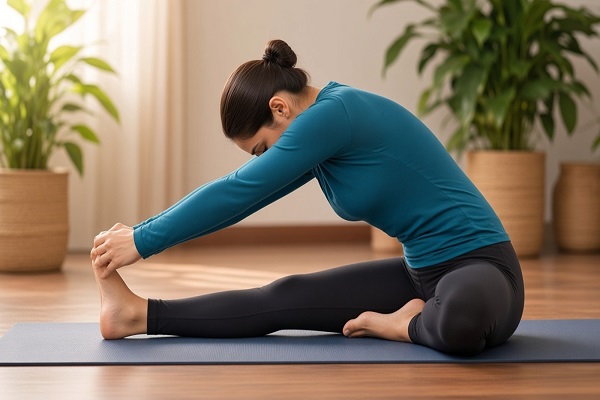
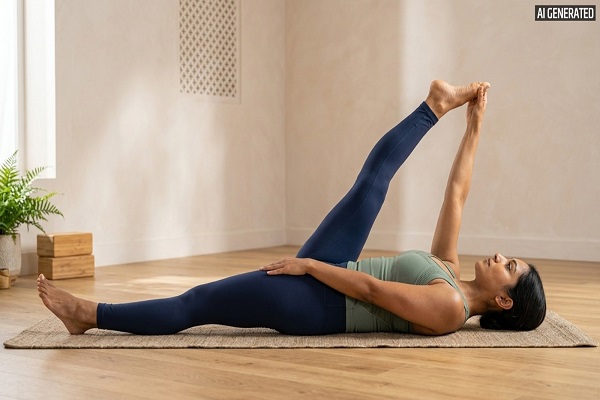
To perform this asana, sit on a mat with both legs stretched straight out in front of you (in *Dandasana* or Staff Pose). Clench your fists as if you are gripping a boat's oar. Keeping your arms straight, lean your torso backward as far as possible and feel the stretch in your navel area. Then, bend forward from the waist and move your hands in a circular motion towards your toes, mimicking the action of rowing a boat. Repeat this circular movement 8 to 10 times (cycles). Afterward, repeat the process in the reverse direction for another 8 to 10 cycles. Pregnant women (especially in the second and third trimesters), individuals suffering from a slipped disc or severe spinal issues, and those who have undergone abdominal or hip surgery should avoid this asana.
According to the Ministry of AYUSH, this asana is an excellent subtle exercise (*Sukshma Vyayama*) that stretches, strengthens, and increases the flexibility of the entire body. This practice engages the abdomen, waist, pelvis, lower back, legs, chest, shoulders, and hips. It improves body balance, enhances strength, and boosts self-confidence. Regular practice increases body flexibility and improves the range of motion in the joints. Performing this asana boosts blood circulation and helps eliminate toxins from the body. If someone is struggling with a health issue like insomnia, this asana is extremely beneficial. Regular practice enhances concentration and calms the nervous system.
Source :- IANS